SJS Monthly Newsletter on Climate Change Reporting

by: Press Release | 25 March 2026 15:06
  • Visits: 2963
  • (Rating 0.0/5 Stars) Total Votes: 0
  • 0 0
  • Share via Social Media

    SJS Monthly Newsletter on Climate Change Reporting

    Highlights of the Month:

    Share on Twitter Share on facebook Share on Digg Share on Stumbleupon Share on Delicious Share on Google Plus

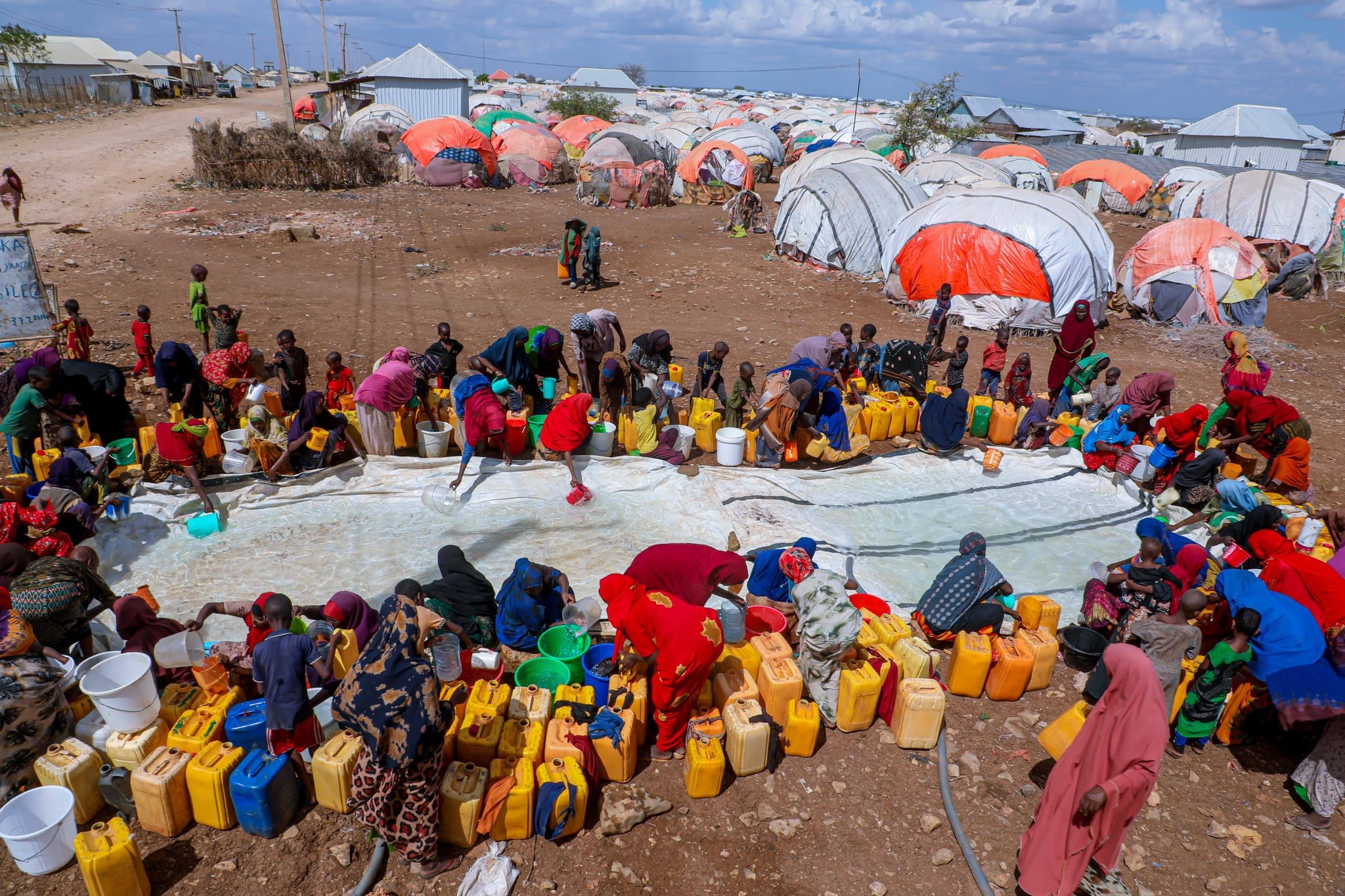
More than 1.5 million people have been directly affected by the drought in Jubaland, including those displaced who have arrived in Afmadow
Highlights of the Month:

Climate change has significantly affected Somalia, mainly through prolonged droughts that have disrupted both livelihoods and the natural environment. Reduced rainfall has caused severe water shortages, leading to the loss of livestock and crops. As a result, many pastoralists and farmers have been forced to leave their homes and become internally displaced.

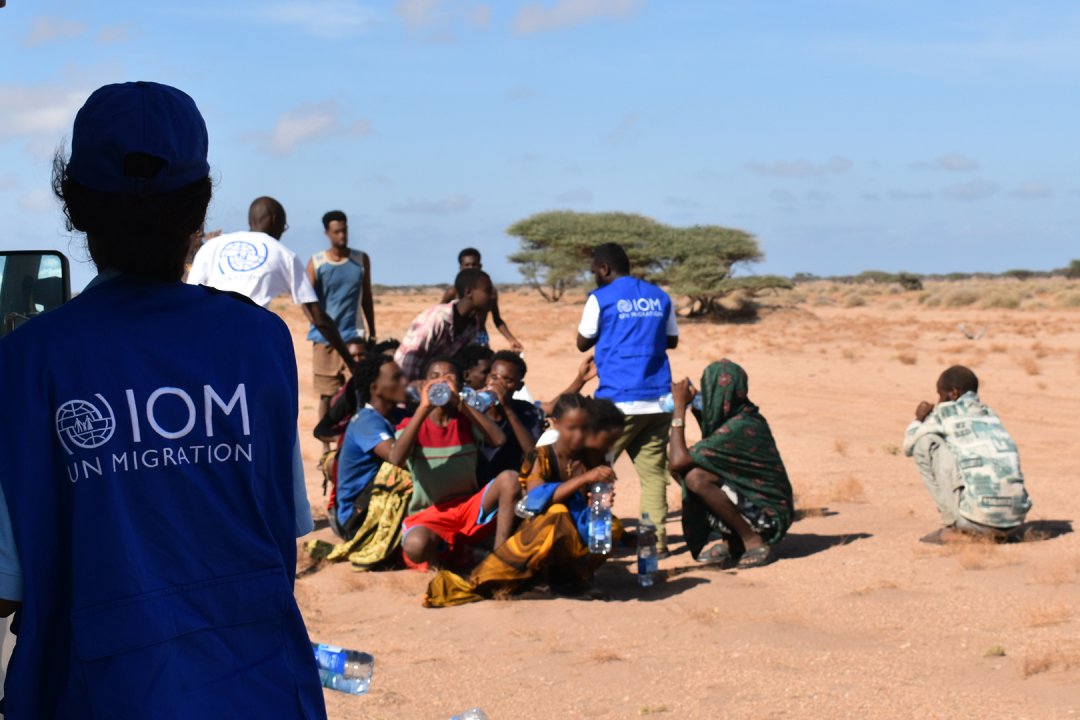
Across the country, various relief efforts have been launched to support affected communities. These initiatives involve government institutions, international organizations, local volunteers, universities, and members of the Somali National Army, all working together to provide urgent assistance.

South West State: In Bay region, water trucking operations s have been rapidly introduced in districts such as Bay, Dinsoor, Berdaale, and Goof-Gaduud. These efforts target internally displaced people and communities impacted by both drought and flooding. However, ongoing conflict in the region might slow the delivery of aid, intensifying the humanitarian situation and increasing the likelihood of further displacement.

Puntland: Water trucking operations have been carried out by the regional administration, volunteers, and aid organizations, reaching areas such as Badhan district. The drought has severely impacted pastoral communities, causing widespread livestock losses and displacement. The Norwegian Refugee Council (NRC) has reported registering over 200 displaced families and has provided cash assistance to help them meet their basic needs.

Hirshabelle: Community-led initiatives have played an important role. Students from Hiran University, along with volunteers, have delivered water to areas such near Beletwein and Far-Libaax , highlighting the importance of local action during crises.

Galmudug: Water relief has been extended to several districts. Galkacyo University has supported communities in the Jeerinle area near Galkacyo, while the Somali National Army has assisted in delivering water to Masagawaay in the Galgaduud region.

Jubbaland: Water trucking operations have also been carried out in locations such as Doolow district and Cabdalle Biroole, with support from Jubbaland forces and members of the Somali diaspora.

Although these interventions are crucial, they offer only short-term relief. There is a growing need for sustainable, long-term strategies to address the root causes of drought-related displacement and strengthen community resilience.

With the Gu' rainy season approaching in Somalia, there is hope for improved conditions. However, heavy rains can also lead to flooding, creating additional risks of displacement and damage. Preventive measures, such as dredging riverbeds and reinforcing riverbanks, are essential to reduce the impact of potential floods.


Stories from Our Trainees:


Somalia’s Climate Crisis: Jubaland Says 1.5 Million Suffer as Climate Change Fuels Drought

A worsening drought in Jubaland has triggered large-scale displacement, forcing thousands of families to flee rural areas to towns like Afmadow after losing their livestock and livelihoods. Failed seasonal rains and rising temperatures have left communities without food or water, with over 1.5 million people affected in the region and 4.6 million nationwide across Somalia. Many displaced families are living in overcrowded makeshift shelters, facing severe food insecurity and relying on limited humanitarian assistance.

The crisis is compounded by restricted aid access in areas such as Middle Juba due to the presence of Al-Shabaab, as well as a major shortfall in humanitarian funding. With displacement rising, livestock dying, and livelihoods collapsing, authorities warn that conditions are rapidly deteriorating, highlighting the urgent need for immediate relief and long-term solutions to build resilience against recurring climate shocks.


Banaaney and Kulundi Villages in Middle Shabelle region Seek Well Repairs as Drought Woes

Residents of Banaaney and Kulundi villages, located in Middle Shabelle region, are urgently calling for the repair of their water wells. The two villages are facing severe water shortages due to prolonged lack of rainfall and declining river water levels.

Several wells in these areas have been damaged or left unrepaired, leaving them nonfunctional for nearly three years. As a result, communities are struggling to access clean and reliable water, worsening the impact of the ongoing drought.


Leave a comment

  Tip

  Tip

  Tip

  Tip

  Tip