

Somalia: The Killer Who Was Also a Journalist — And the Method That Didn't Die With Him
 0
0 - Visits: 6001
-

- Share

His method was simple. As al-Shabaab´s head of press monitoring, he tracked which journalists criticized the group or spoke well of the government. Then he called them in for meetings — sometimes to threaten them, sometimes to walk them straight into an execution. When HornAfrik director Mahad Ahmed Elmi was killed, Hanafi was reportedly there as a lookout. When Sharma'arke came back from Elmi´s funeral days later, a landmine planted by al-Shabaab fighters killed him too. Somali-language reporting on the case says Hanafi planted that landmine himself.
He was right. Just not in the way anyone expected.
What Changed After Hanafi
Somalia has not stopped burying journalists. It has appeared on the Committee to Protect Journalists´ Global Impunity Index — which tracks countries where killers of journalists go free — every single year since the index began seventeen years ago. Only six countries can say that. In CPJ´s most recent count, Somalia ranked third worst in the
world, behind only Haiti and Israel. Since Somalia´s civil war began, CPJ has recorded 73 journalists killed. The most recent were Mohamed Abukar Dabaashe and Sultan Ayub Wardhere, killed on March 18, 2025, when a bomb hit President Hassan Sheikh Mohamud´s convoy near Mogadishu´s Ceel-gaabta junction.
their jobs.
Some cases still look like Hanafi´s old method. In October 2024, journalist Amun Abdullahi Mohamed, who had investigated how al-Shabaab recruits young Somalis in Sweden, was stopped by two masked gunmen who confirmed her name before shooting her in the head. That single detail — checking her name first — means someone had already picked her out as a target. No court case since 2016 has named an insider doing Hanafi´s old job. That could mean the method died with him. Or it could mean today´s version is harder to see, or that al-Shabaab no longer needs someone on the inside, since it can track journalists´; public posts and social media instead.
A Second Hunter
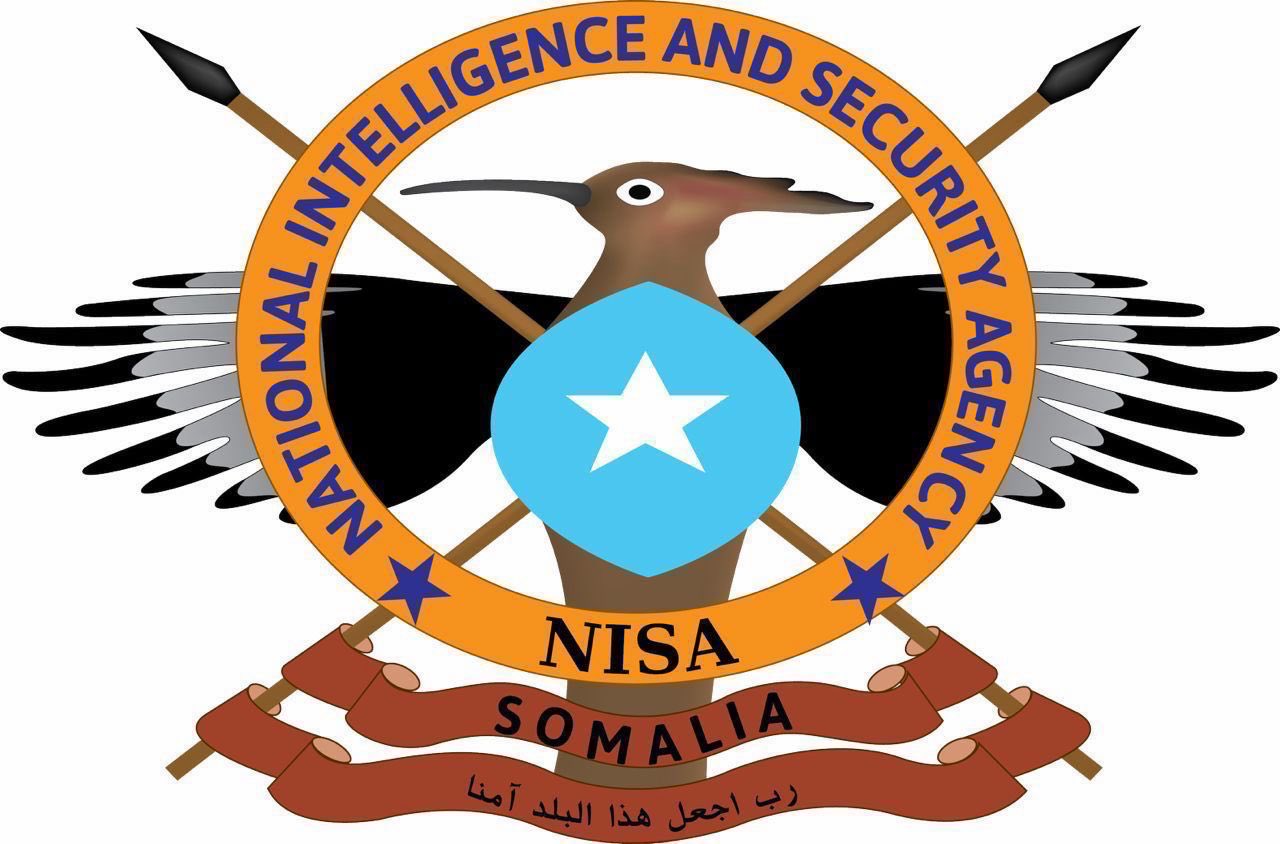
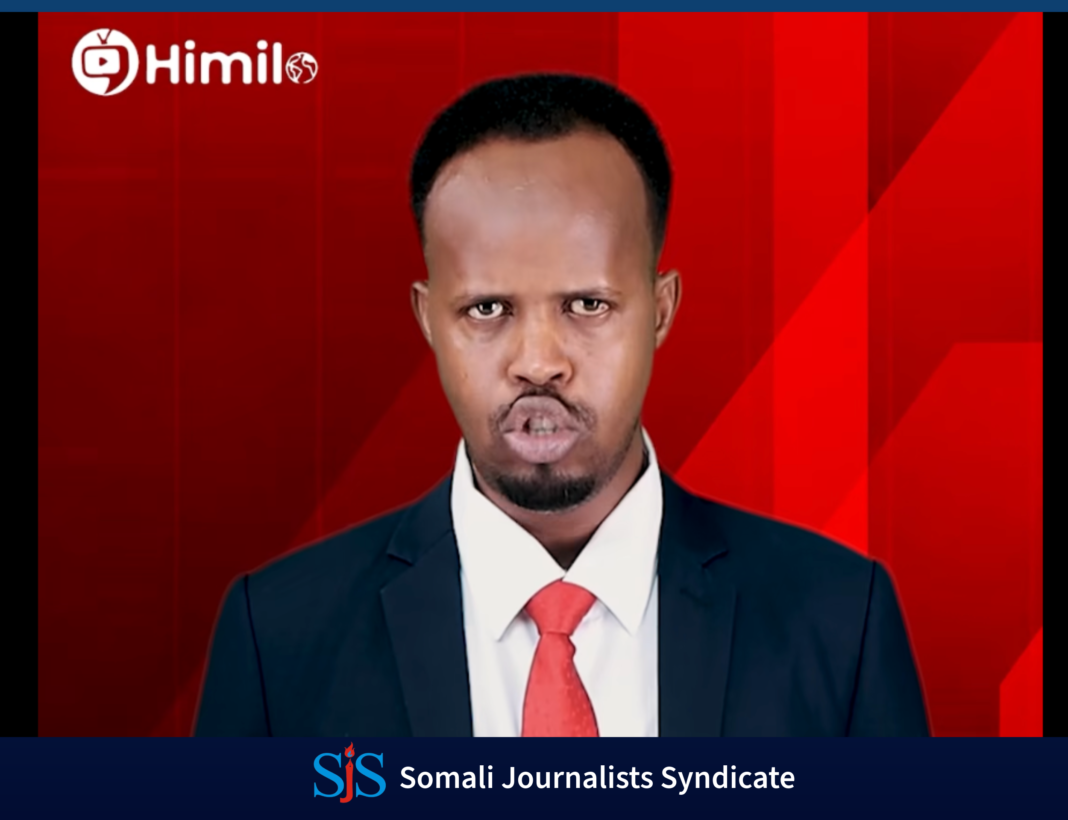
The more recent record shows something clear: Somali journalists today say they are being hunted by more than one side. The Somali Journalists Syndicate (SJS), the country´s main press union, has documented journalists and editors saying there are informants working inside media houses — watching and threatening colleagues who report critically on Somalia´s National Intelligence and Security Agency (NISA). SJS says the result is the same as it was under Hanafi: journalists forced into silence or exile just to stay safe.
Since then, the pattern SJS has tracked has only grown. Journalist Mohamed Abdiwahaab Nuur was held for five months, allegedly tortured while security forcestried to force him to falsely confess he belonged to al-Shabaab. NISA has funded troll networks since around 2022, paying people to harass and discredit journalists and activists online. In March 2025, after the bombing that killed Dabaashe and Wardhere, Mogadishu police detained at least nineteen journalists who had come to cover the attack, and shut down Risaala Media Corporation's stations. Days later, journalist Ibrahim Mohamed Mayow — who had already survived an al-Shabaab attack while reporting from Lower Shabelle — was called in by a named police commander after his outlet aired footage of another al-Shabaab strike. He then disappeared for days. SJS also says a known police informant was seen watching the home of one of its own staff the same night police raided it, after he published an interview with a survivor of NISA´s Godka Jila'ow detention center.
A Familiar Pattern
Hanafi's death didn't answer the question his case raised: what happens to a method this effective once its creator is gone? Here is one possible answer, based on testimony rather than hard proof — the informant "the group's eyes inside Somalia's newsrooms" method Hanafi built for al-Shabaab didn't disappear. It may have been picked up, on purpose or not, by Somalia's own intelligence agency, which journalists say now does something very similar to the same people, for the opposite reason.
a firing squad for building that trap from one side, Somalia's press now describes something closing in from both sides at once.
a Somali journalist today can be threatened by al-Shabaab for reporting on the state, and threatened by the state for reporting on al-Shabaab — sometimes over the same story, in the same week SJS describes
The question Hanafi's case leaves open — who, if anyone, is doing his old job now, and for whom — stays open. This piece doesn't claim to answer it. It's the question Somalia's shrinking number of independent journalists have to face on their own, story by story, in a country that has now shown up on every single edition of the world's list of places where killing a reporter costs nothing at all.
ABOUT THE AUTHOR
Ismail Abukar is Co-founder and Chairperson of the Organization for Prisoners' Rights (OPR), an independent civil society organization based in Mogadishu, Somalia. He has conducted primary field research in Somalia for seven
years covering prisoners' rights, enforced disappearances, press freedom, and electoral corruption. His investigations have been published by African Arguments and Horn Observer. He holds an MA in International Law and Human Rights from the University for Peace (UPEACE). ORCID: 0009-0003-1435-3691 | [email protected] |
opr.org.so

- Popular
- Rated
- Commented


04/11/2021 - 11:05:02

28/05/2024 - 15:44:10


18/08/2025 - 17:22:07

01/03/2021 - 09:00:37



Opinions
16/09/2026 - 16:11:57
15/09/2026 - 16:56:43
Politics
06/10/2026 - 18:48:48
06/10/2026 - 15:14:30
02/10/2026 - 17:35:54
Terror Watch
06/10/2026 - 21:41:19
06/10/2026 - 21:03:29
29/09/2026 - 14:38:38
Press Releases
12/10/2026 - 13:44:28

05/10/2026 - 19:10:20



Somalia: The Killer Who Was Also a Journalist — And the Method That Didn't Die With Him
On April 11, 2016, a firing squad at a police academy in Mogadishu killed Hassan Hanafi Hajji. He had been one of Somalia's most trusted radio voices. For nearly ten years, he used that trust to help al-Shabaab.