

Somali families face renewed violence amid worsening hunger crisis
 0
0 - Visits: 134
-

- Share
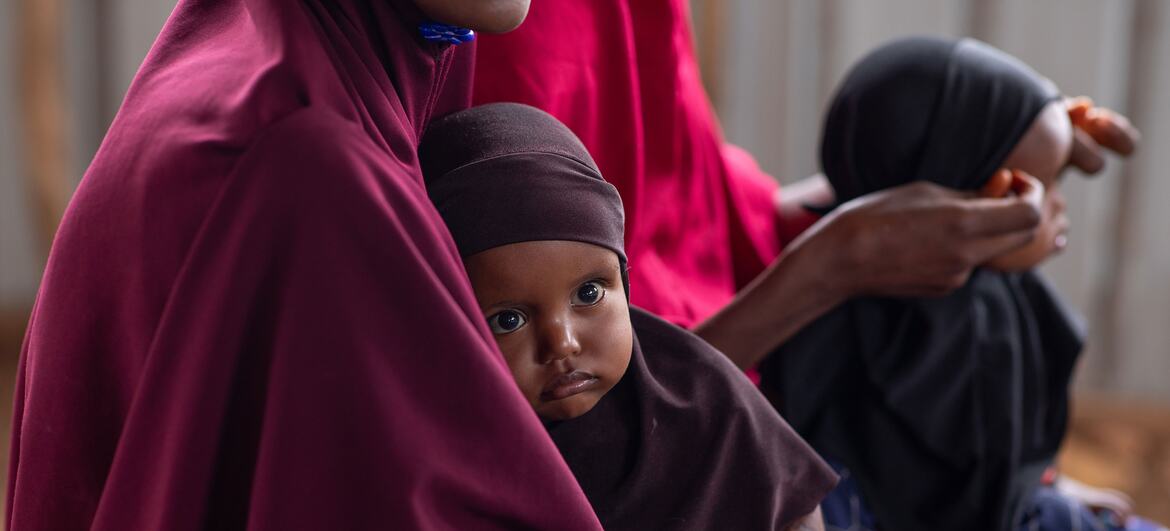

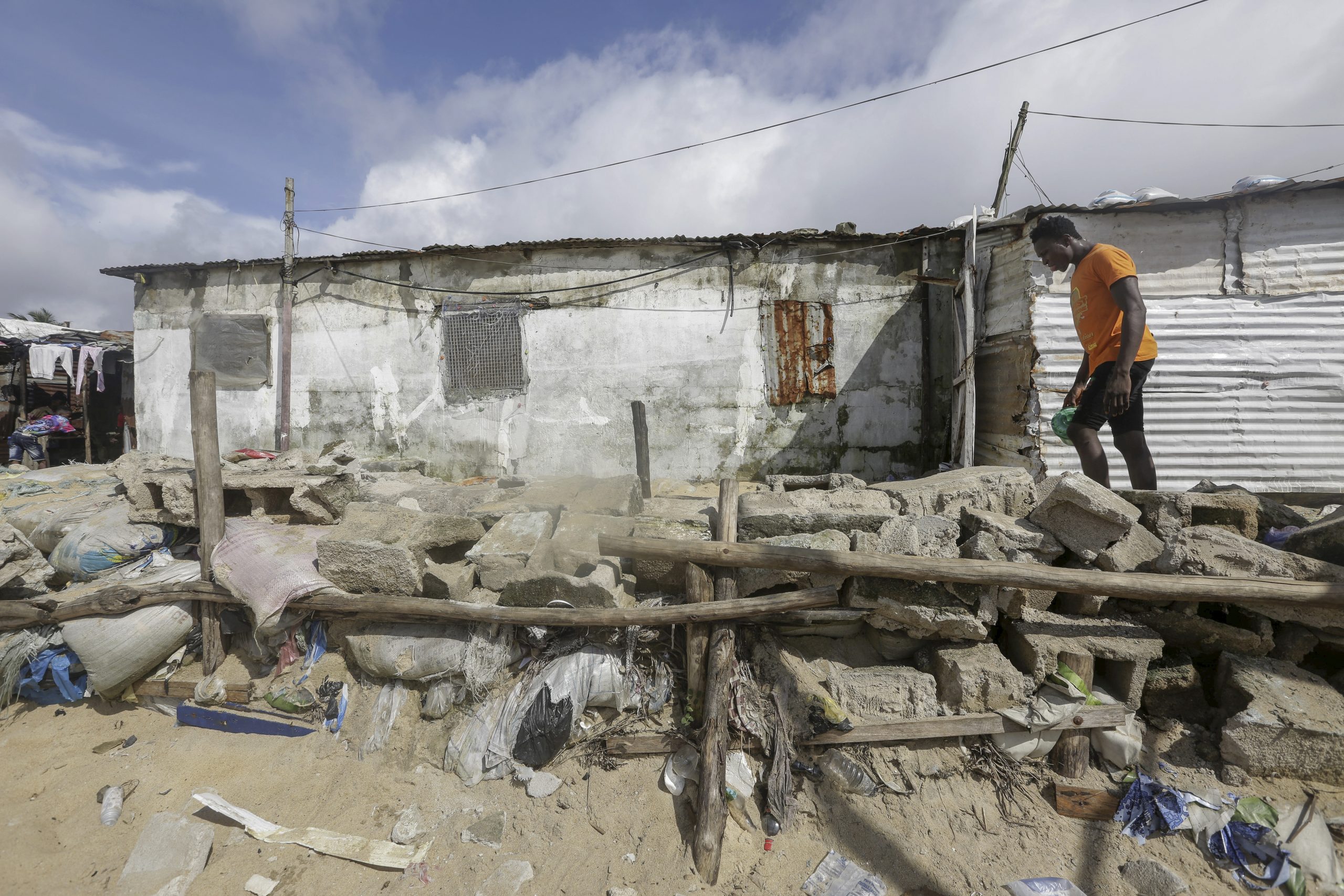
A health facility has also been damaged, according to the UN Children’s Fund, UNICEF, and other humanitarian agencies.
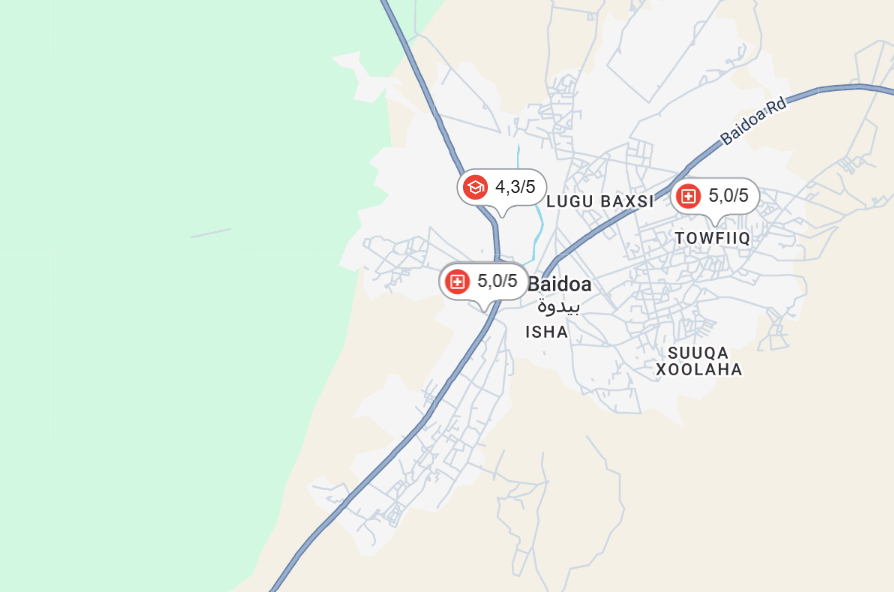
In the past few weeks, clashes have broken out in Baidoa, the state’s largest city, between Government forces and fighters loyal to the former regional president, who was ousted in March.
The army has been seeking to maintain control of the city, which it seized earlier this year. Hostilities flared on Monday, according to news reports, after thousands of local fighters entered Baidoa that morning.
"Children are once again bearing the heaviest burden of violence,” said the UN Children’s Fund, UNICEF, expressing deep concern about the escalation.
"UNICEF calls on all parties to protect children from harm, ensure the protection of schools, and health facilities, and allow safe and unhindered humanitarian access.”
Decades of humanitarian crisis
This recent development occurs against the backdrop of an already severe humanitarian crisis.
Somalia has been experiencing decades of food security crisis driven by recurring cycles of conflict, mass displacement, global trade disruptions and extreme climate shocks like severe droughts and flooding.
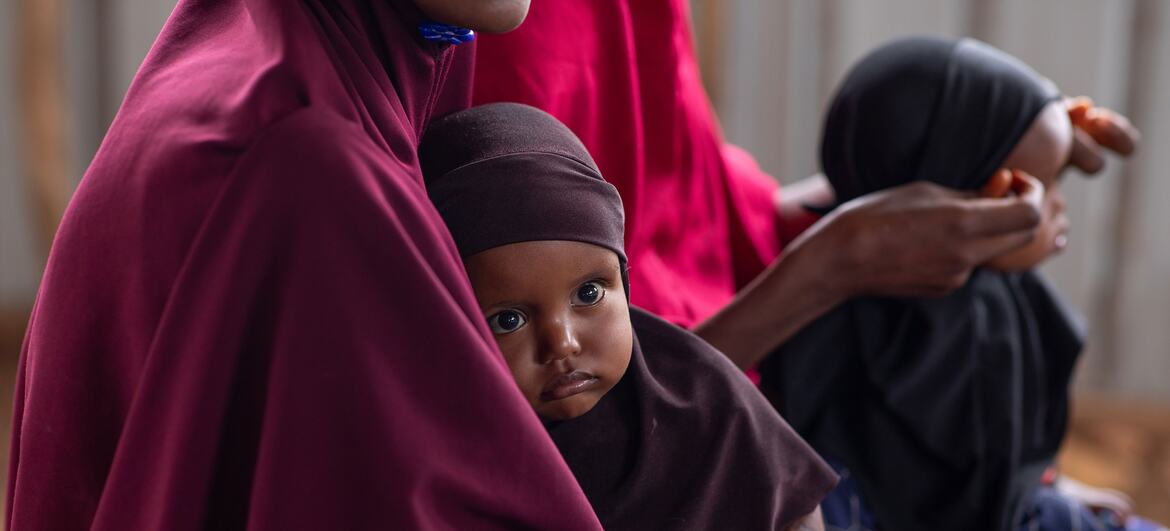
Across Somalia, two million children are acutely or severely malnourished, making Somalia one of the world’s biggest malnutrition crises, say UN agencies.
In Baidoa alone, 26,000 people face catastrophic food insecurity, the highest level on the hunger scale, putting them at risk of famine.
The stronger-than-ever El Niño weather pattern is expected to deepen the crisis by intensifying the October-December rainy season.
Overlapping crises
Families on the ground have been torn apart by these overlapping crises, said the UN World Food Programme (WFP).
Hawo’s family is one of them.
Some days we eat just once a day
First, a mortar hit their family home in Baidoa, killing her father. Then her brother died during the fighting. She was forced to flee to Mogadishu with her daughter and now lives there with her aunt.
"Even with my aunt’s support I have been struggling, but sometimes it is really bad,” she said. "Some days we eat just once a day.”
Her daughter Farhiya became listless, losing her appetite and shedding weight.
A neighbour recommended she visit the Weido clinic, but the clinic is turning women and children away due to lack of resources.
"I hope I can get the support I need for my child to recover,” Hawo said, as aid workers worry things will only get worse.

Aid drying up
WFP, which provides the backbone of the overall food aid response in Somalia, is also increasingly strained in the face of mass humanitarian aid funding cuts.
From reaching more than four million people monthly a few years ago, its food assistance can only support just over 670,000 today.
"In 2022, when Somalia was experiencing its longest drought in 40 years, timely and generous funding helped scale up assistance to avert famine,” explained Hameed Nuru, WFP Country Director in Somalia.
"Today, severe funding shortfalls mean we are only reaching a fraction of those in need, forcing us to make painful choices about who receives assistance and who does not,” he said.
READ THE ORIGINAL STORY HERE
- Popular
- Rated
- Commented


04/11/2021 - 11:05:02


28/05/2024 - 15:44:10


18/08/2025 - 17:22:07

01/03/2021 - 09:00:37



Opinions

16/09/2026 - 16:11:57

15/09/2026 - 16:56:43
Politics
22/09/2026 - 07:00:49

15/09/2026 - 20:46:55
Terror Watch
29/09/2026 - 14:38:38
28/09/2026 - 12:32:52
21/09/2026 - 15:38:29
Press Releases
30/09/2026 - 22:54:31





Somali families face renewed violence amid worsening hunger crisis
Children have been killed and injured in fresh fighting in Baidoa, in Somalia's South West State, where families were already facing severe hunger and other overlapping crises.