

Journalists face arrests and alleged assaults while covering evictions in Somalia and Somaliland
 0
0 - Visits: 127
-

- Share
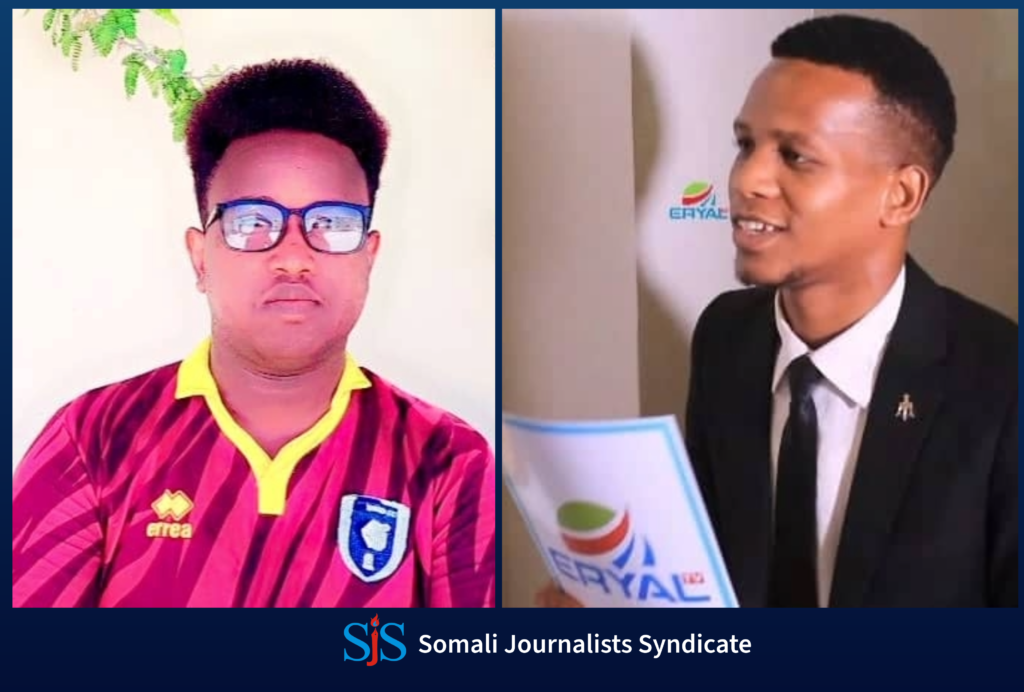

The Somali Journalists Syndicate (SJS) says it has documented 13 arbitrary arrests of journalists in Mogadishu since Jan. 1, 2026, while 10 journalists have been arrested in Somaliland during the same period. Many of the cases involved reporters covering protests, forced evictions or criticism of government officials.
In the latest incident, two journalists working for Somaliland-based Eryal TV said they were physically assaulted by Somali police and National Intelligence and Security Agency officers on Sept. 29 while reporting on forced evictions in Mogadishu's Yaqshiid district.
Journalist Mukhtar Abdi Adan, known as Nadaara, and cameraman Ibrahim Aden Mohamed told the SJS they were interviewing residents protesting evictions when police and NISA personnel arrived. The journalists said the officers were acting on orders from Yaqshiid's deputy police commander, Yahye Osman Abdi, known as Yahye Baroodo.
Mukhtar said two officers struck him with a rifle butt and a pistol, while Ibrahim was struck in the face with the front of a pistol. The journalists said their camera equipment and mobile phones were confiscated before they were blindfolded and taken in a police vehicle to a deserted area outside the city.
There, they said, officers interrogated them and accused Ibrahim of filming families who had been forcibly evicted. Ibrahim said officers slapped him during the interrogation.
The journalists said they were held at the site for about 20 minutes before being taken to Yaqshiid Police Station, where they were detained for about nine hours without charge. They said they were not given food during their detention. They were released at about 5:30 p.m. without being charged.
The journalists subsequently published their report, which showed women and elderly residents complaining about forced evictions from land formerly owned by the Somali government.
Yahye Baroodo did not respond to requests from the SJS for comment. The Mogadishu police commissioner also did not respond to questions about the arrest and alleged assault.
"We condemn the physical assault and arbitrarily arrest of Mukhtar Abdi Adan, known as Nadaara, and his cameraman, Ibrahim Aden Mohamed. The police and NISA officers who were involved in this case must be held accountable for using violence and unlawful detention against journalists who were reporting on forced evictions affecting hundreds of vulnerable families in Yaaqshiid district in Mogadishu,” said SJS Secretary General, Abdalle Mumin.
"Journalists in Mogadishu are on the frontline to report on mass evictions as they are documenting matters of serious public interest and human rights concern. They must be protected, not attacked, threatened, or arrested for doing their work. We call on the authorities to ensure the safety of journalists covering forced evictions and to respect their right to report freely without intimidation or interference,” Mr. Mumin added.
The incidents in Mogadishu come as journalists in Somaliland have also faced arrests while covering evictions and other contentious local issues.
On Sept. 26, Somaliland police in Hargeisa arrested two journalists working for KF Media, Mohamed Abdi Qalinle and photographer Abdiqadir Ismail Abdirahman, while they were reporting from a religious gathering organized by the Tabliiq Islamic movement outside the capital.
The journalists were reportedly conducting vox-pop interviews when police officers attempted to stop them. The journalists resisted the order, according to colleagues who spoke to SJS, and were arrested and taken to Hargeisa Police Station. They were released shortly afterward without charge.
Two days earlier, on Sept. 24, Somaliland police arrested Zakariye Said Bulaale, a journalist with Sahan TV, in the town of Caynaba after he reported on the closure of a primary school in the nearby village of Dhooba Weyne.
The school had reportedly closed because of a shortage of teachers, prompting residents to appeal to the Somaliland government for assistance. Zakariye was detained after covering an event attended by officials from the Ministry of Education where the school closure was discussed, according to a colleague who visited him in detention.
He was held for two days without charge before being released.
Another Somaliland journalist, Hassan Saleban Harun, known as Gallaydh, was arrested on Sept. 9 while covering a university graduation ceremony in Gebiley and transferred to Hargeisa. Police did not publicly provide a reason for his arrest.
Local journalists told SJS that Hassan had spoken at a journalists' protest in Hargeisa two days earlier, calling for the release of journalist Abdiqani Hussein Abokor, known as Baylood, and poet Ismail Yusuf Abdi, also known as Jiheeye.
Hassan was released on Sept. 12 without charge.
Abdiqani, the founder of Heegan TV, and Jiheeye were arrested on Aug. 29 after an interview published by Heegan TV in which the poet criticized Somaliland President Abdirahman Abdullahi Irro over forced evictions in Hargeisa.
During the interview, Jiheeye complained about the eviction of his family and recited a poem directed at the president. The authorities subsequently detained both men.
More than a month after their arrests, prosecutors brought charges against the journalist and poet, according to their lawyers. The charges included publishing or disseminating false information, inciting the public and conspiracy to commit a crime.
The case was subsequently heard by the Maroodi Jeex Regional Court in Hargeisa. The Somali Journalists Syndicate has called for the charges to be dismissed and for both men to be released.
Defense lawyer Tawakal Ibrahim Mohamed previously said the prolonged detention of the two men without charge violated Somaliland's Constitution.
Somaliland authorities have not publicly responded to the SJS's calls for their release.
"The arrest and continued detention of Abdiqani Baylood in Hargeisa simply because he reported on issues affecting the public, interviewed a citizen who criticised those in power, or expressed his views is unacceptable. We call for his release and for the Maroodi Jeex Regional Court to dismiss the unfounded charges against Abdiqani Baylood and poet Ismail Jiheeye, whom he interviewed,” said SJS Secretary General Abdalle Mumin.
"President Abdirahman Irro should demonstrate his commitment to democracy and the rule of law by ensuring that journalist Abdiqani Baylood and poet Ismail Jiheeye are released immediately. Somaliland’s journalists are not the enemy of the government. They are an essential part of society and play a critical role in informing the public, exposing abuses, raising concerns from communities, and holding those in power accountable,” added Mr. Mumin.
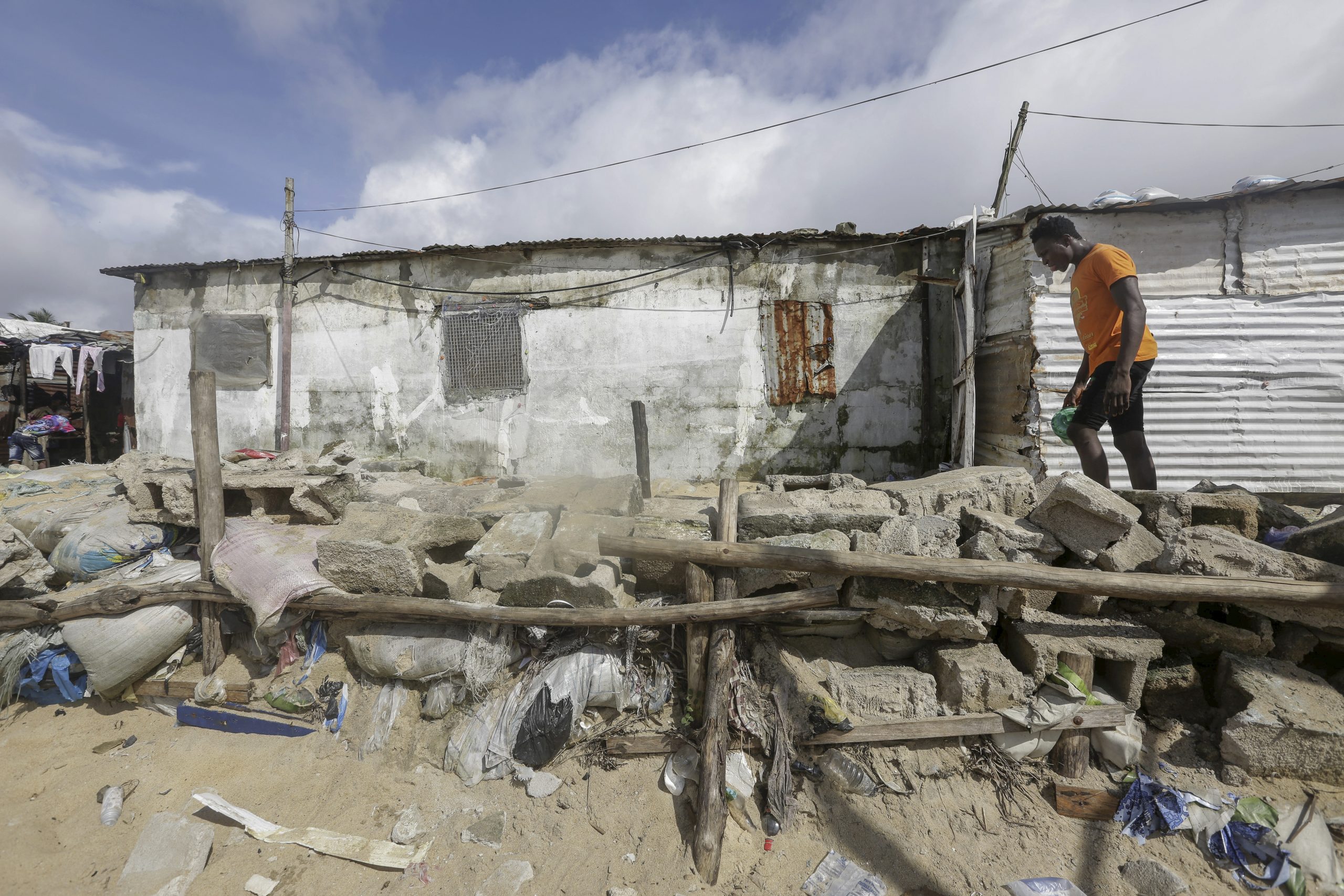
The arrests have taken place against a backdrop of widespread forced evictions in Mogadishu. The Somalia Evictions Information Portal, operated by the Norwegian Refugee Council, reported that 21,349 households were evicted in Mogadishu between January and September 2026, following 24,865 households recorded as forcibly evicted in 2025.
The Somali Journalists Syndicate says armed police and NISA personnel are frequently involved in evictions. Sources who spoke to the organization alleged that some evictions were carried out on orders linked to President Hassan Sheikh Mohamud, while other accounts have alleged that land is subsequently sold or allocated to wealthy individuals or people with political connections.
Media reports and accounts from affected residents have described women, children and elderly people among those displaced, with some homes demolished after evictions. Cases have involved both land formerly owned by the Somali central government and privately owned property that residents say was taken by force.
Journalists covering the evictions have increasingly become targets of arrest and intimidation, according to the SJS
Earlier in 2026, journalist Omar Hayne of Horyaal TV was arrested while covering a protest in Borama on May 18 and released nearly a week later. On May 23, Somaliland police arrested journalist Abdikarim Isse Abdullahi while he was covering a protest by residents in Sheikh. He was detained for several days at the Gebiley police station before being released without charge.
The Somali Journalists Syndicate says the cases reflect a pattern in which journalists reporting on issues of public interest are detained without charge, have their equipment confiscated or are subjected to intimidation.
It has called on authorities in both Somalia and Somaliland to investigate allegations of abuse, hold officers responsible for unlawful arrests or assaults accountable, and allow journalists to report without interference.

- Popular
- Rated
- Commented


04/11/2021 - 11:05:02

28/05/2024 - 15:44:10


18/08/2025 - 17:22:07

01/03/2021 - 09:00:37



Opinions
16/09/2026 - 16:11:57
15/09/2026 - 16:56:43
Politics

02/10/2026 - 17:35:54
22/09/2026 - 07:00:49
Terror Watch
29/09/2026 - 14:38:38
28/09/2026 - 12:32:52
21/09/2026 - 15:38:29
Press Releases
30/09/2026 - 22:54:31



Journalists face arrests and alleged assaults while covering evictions in Somalia and Somaliland
MOGADISHU (Horn Observer) Somali and Somaliland authorities have arrested, detained and allegedly assaulted journalists reporting on forced evictions and other public-interest issues in recent months, according to the Somali Journalists Syndicate, wh