

World Environment Day 2026: Somali journalists reporting the climate crisis while at the same time living through it
 0
0 - Visits: 8200
-

- Share
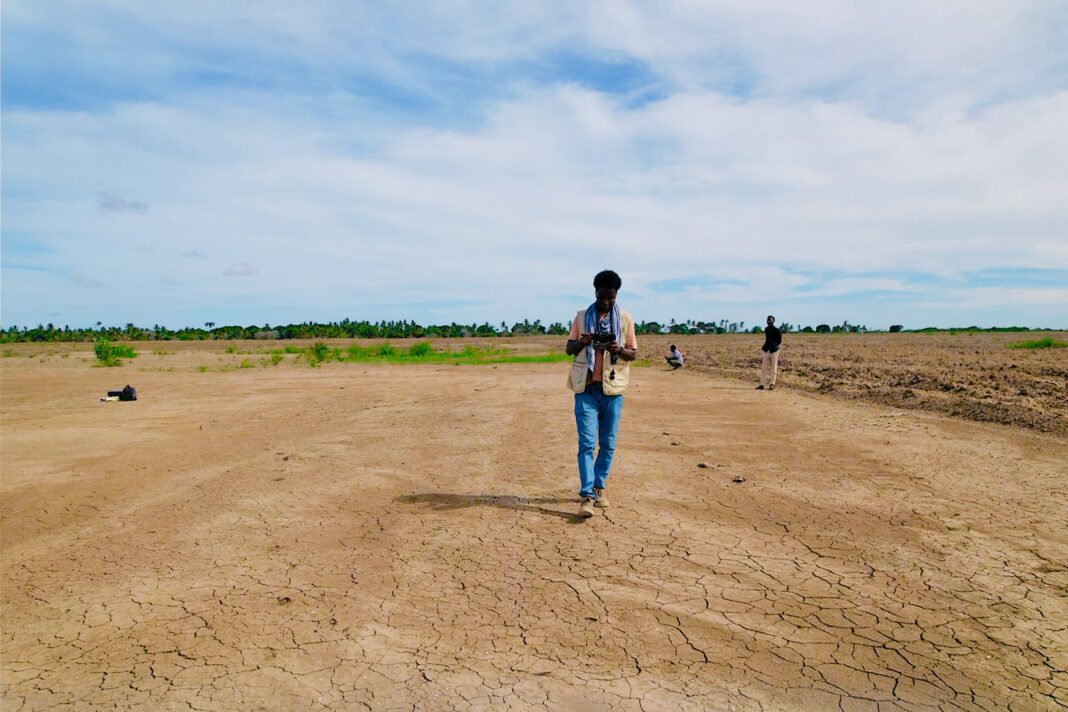

Environmental journalism remains one of the most underreported areas in Somalia and Somaliland, despite the Horn of African region facing one of the world’s most severe climate and environmental crises. Journalists covering environmental issues frequently encounter intimidation, restricted access to information, lack of safety mechanisms, and inadequate resources to conduct field reporting.
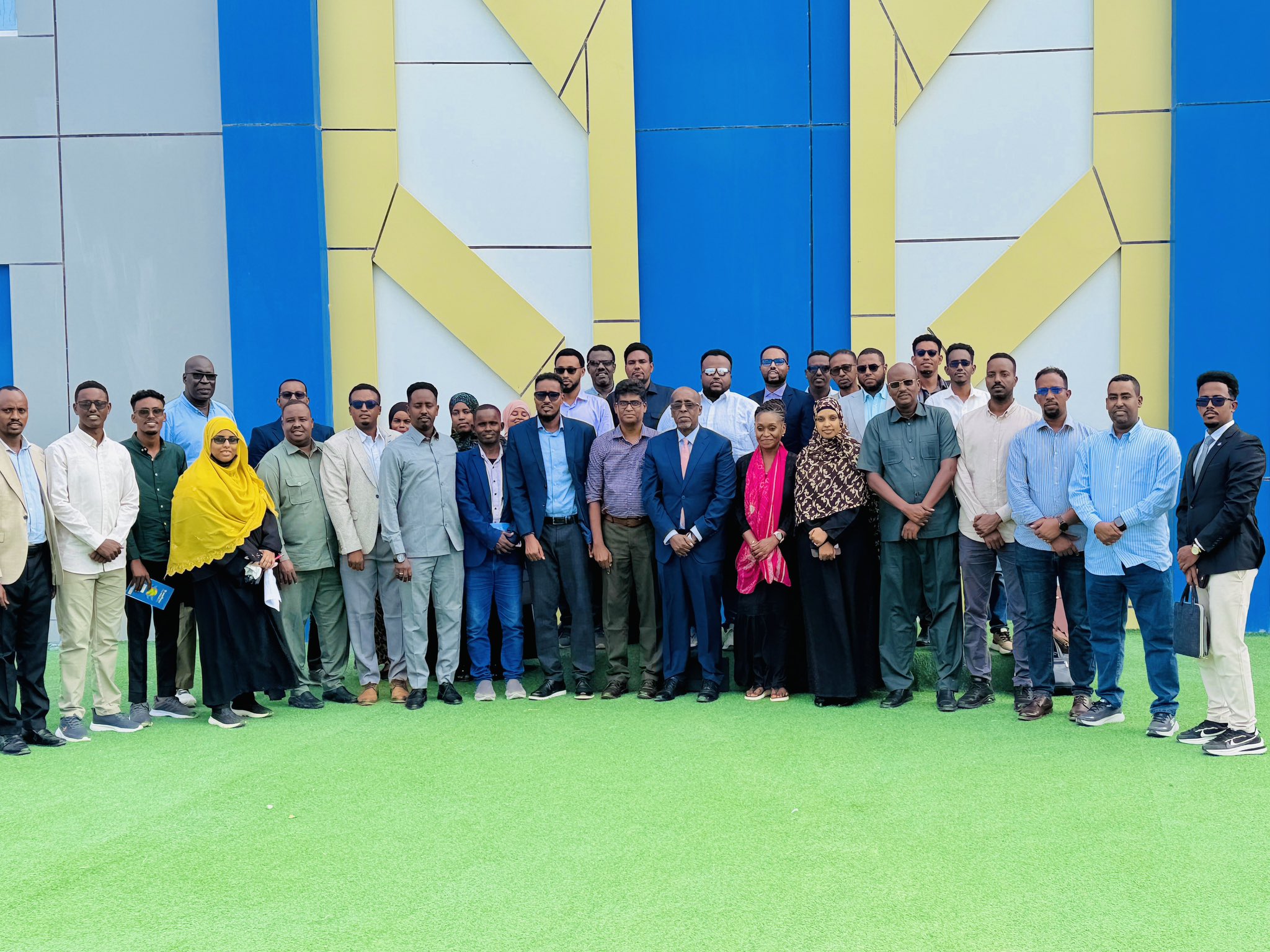
To contribute to addressing this reporting gap, SJS, with support from Medico International, trained and mentored ten journalists from ten different regions and towns across Somalia and Somaliland, particularly from areas heavily affected by climate change. Through this initiative, journalists were equipped with skills and support to investigate and report on climate-related challenges affecting vulnerable communities across the country.
The 2026 World Environment Day theme, "Protected Environment, Stable Climate, and a Greener Future,” resonates strongly in Somalia and Somaliland, where recurring droughts, deforestation, erratic rainfall patterns, floods, environmental degradation, and conflict continue to threaten livelihoods and displace communities. Millions of Somalis remain vulnerable to the impacts of climate change.
Not Only Storytellers: Journalists in Somalia and Somaliland have become survivors of the climate crisis
Since beginning of January 2026, SJS documented several incidents involving journalists reporting on environmental and humanitarian issues.
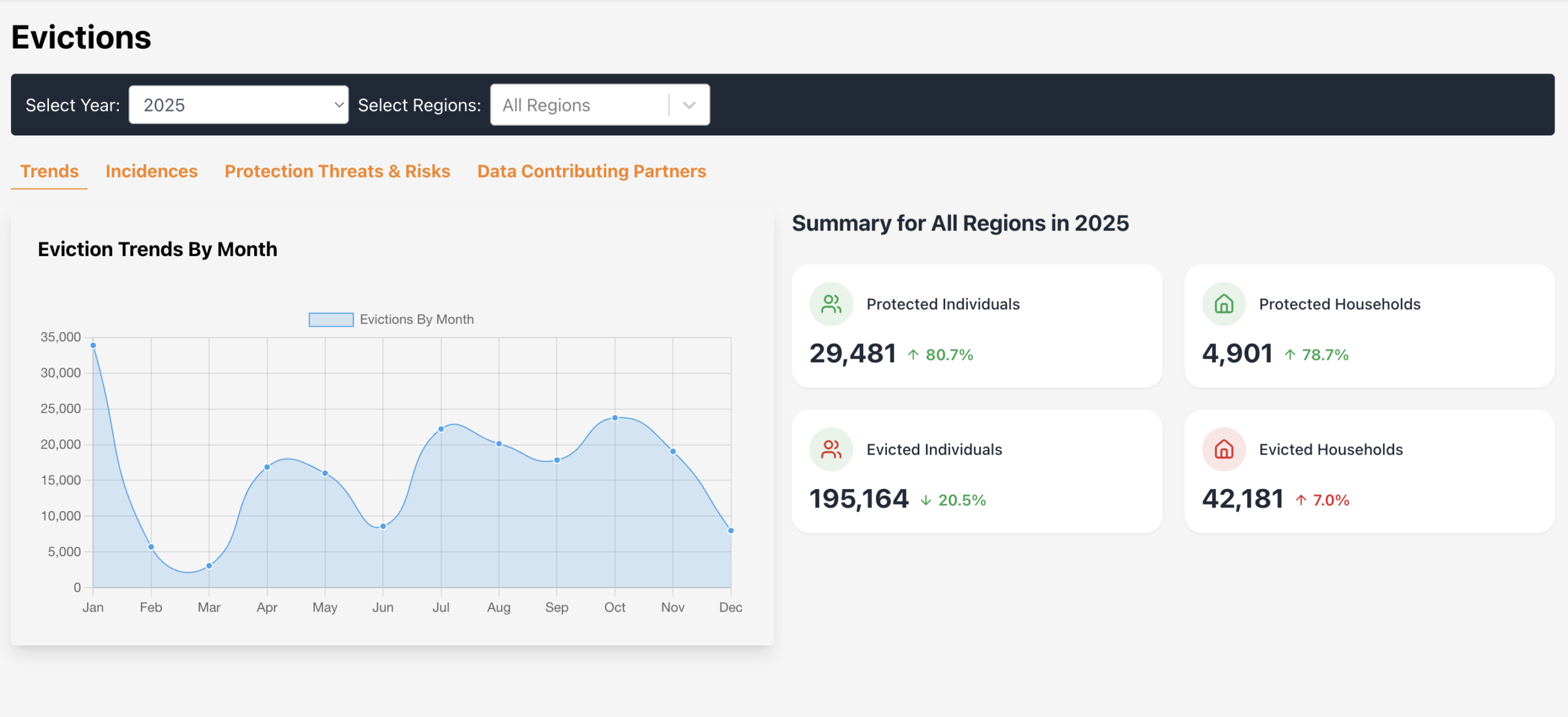
In Mogadishu, Somali police continued their crackdown on journalists covering forced evictions in the capital. According to data collected by eviction monitoring groups, 195,164 people were affected by forced evictions in 2025, many of which were carried out without prior notice and involved violence by police and other state security forces. The number of forced evictions in Somalia increased by more than 20 percent between January and May 2026, according to the humanitarian groups. SJS documented the arrests of seven journalists (four women and three men) between February and April 2026 solely for reporting on these evictions.
On 4 March 2026, Somaliland police in Erigabo, Sanaag region, arrested local journalist Mohamed Saleban Ahmed, known as Suute, after he published a report highlighting drought conditions in the Sool and Sanaag regions. Suute was detained for two days before being released without charge and was subsequently charged with "spreading false information.” The Erigabo District Court later summoned him to appear in court. According to court documents reviewed by SJS, the Somaliland government was listed as the complainant. Suute’s report included testimonies from drought-affected rural communities who stated that they had not received humanitarian assistance despite severe hardship.
The prosecution occurred despite Somaliland’s own acknowledgement of the drought crisis. In July 2025, Somaliland declared a national emergency due to drought affecting four regions, including Sanaag. President Abdirahman Abdillahi Irro appealed to international partners and Somaliland diaspora worldwide to support emergency relief efforts. United Nations humanitarian assessments later reported that "more than 650,000 people had been affected by drought across Somaliland,” while aid agencies estimated that over 80 percent of rural households had experienced severe water shortages and agricultural losses.
Similarly, on 26 May 2026, South West State police in Baidoa arrested local journalist Abdirahman Hassan Mohamed after he interviewed women khat traders who alleged that federal government security forces had looted their goods and mobile phones during an operation in the city. Journalists in Baidoa also reported increasing threats and intimidation while covering political tensions and armed confrontations between forces aligned with the Federal Government and those loyal to former South West State leader Abdiaziz Laftagareen. Armed clashes erupted in Baidoa on 30 May 2026, causing casualties and further worsening humanitarian conditions in the region.
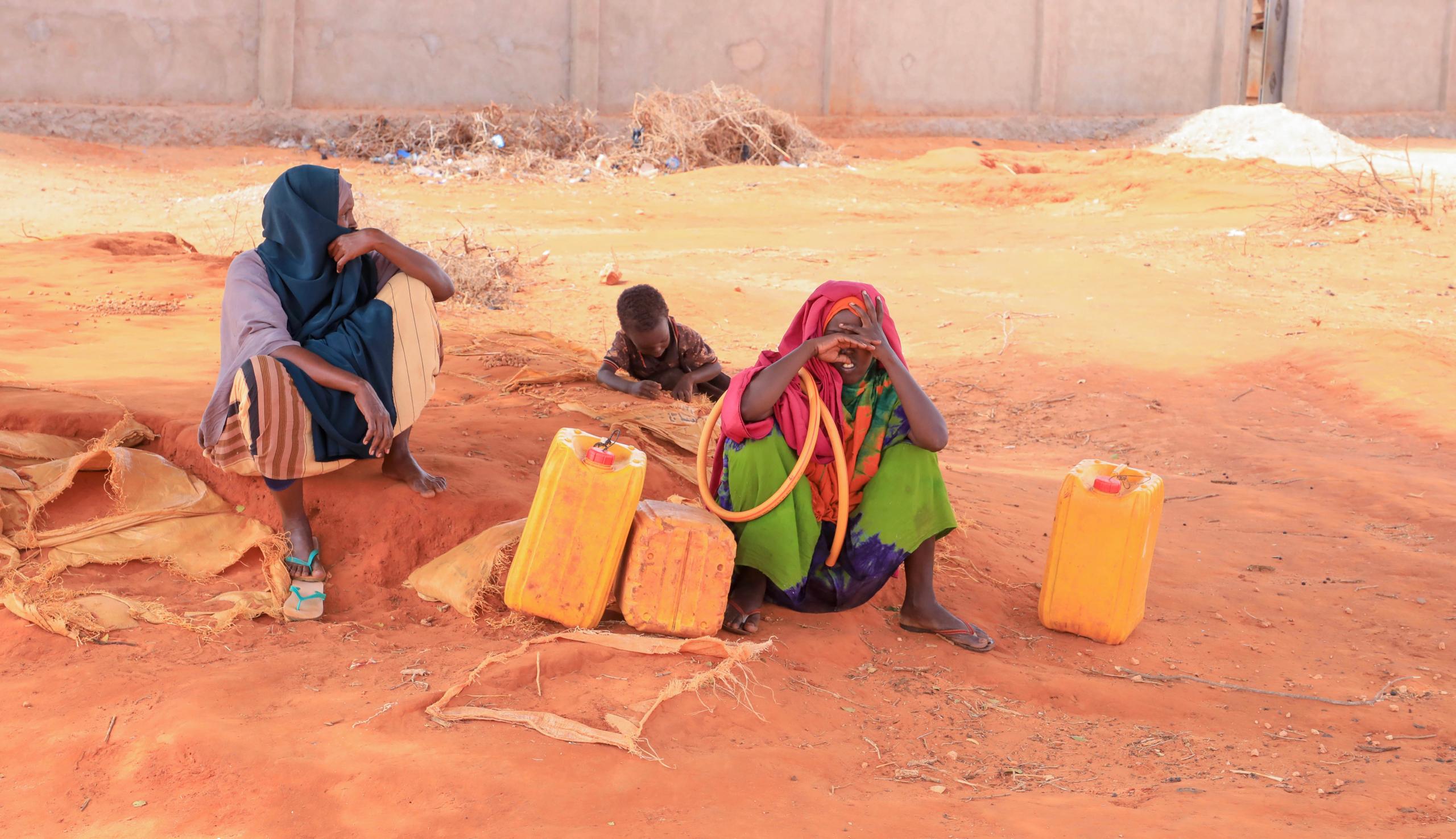
At the same time, humanitarian agencies have warned of "a growing risk of famine” in parts of South West State, particularly Buurhakaba district, where prolonged drought and conflict continue to affect communities.
On 28 May 2026, police in Las Anod arrested journalist Khadar Tarabi following a Facebook post regarding a visit by a Puntland minister to Kalabaydh in the Sool region, an area affected by both climate-related challenges and ongoing security tensions. Journalists in Las Anod informed SJS that media workers have faced restrictions and intimidation when attempting to independently report on local conflicts and humanitarian concerns.
In late May 2026, armed clashes between clan militias in a rural area of the Sool region resulted in deaths, the destruction of homes, and the displacement of civilians following a dispute over a new settlement in a rural village. Journalists reported difficulties accessing affected communities and significant obstacles to independent reporting, limiting public access to information about the humanitarian impact of the violence.
Across Somalia, humanitarian response efforts remain severely underfunded. Global economic pressures, rising food and fuel prices, and restrictions on humanitarian access in Al-Shabaab-controlled areas have further complicated relief operations. Civilians from inaccessible regions continue to move toward government-controlled towns in search of assistance and protection.
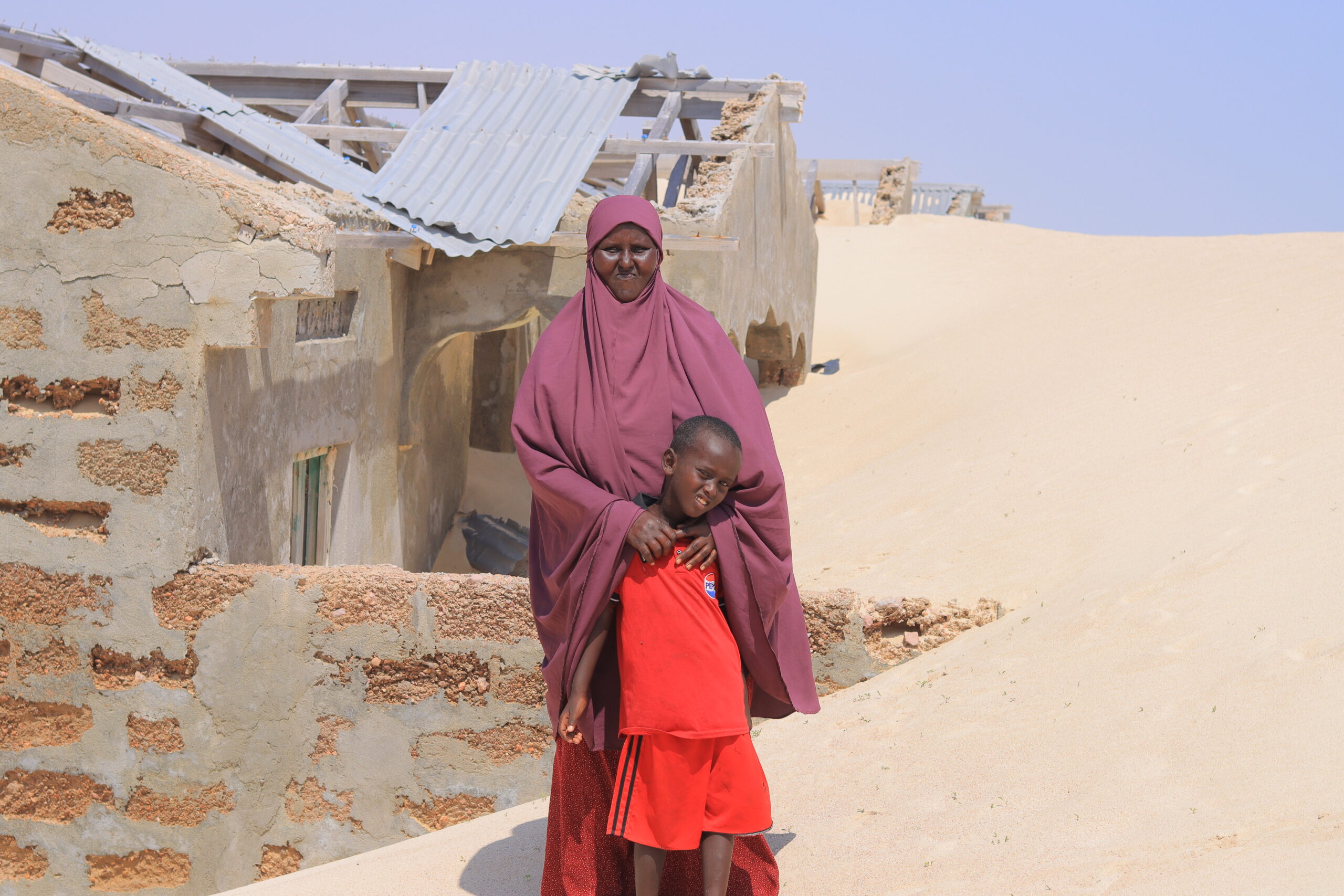
SJS Climate Journalists Network reported that widespread crop failures and livestock deaths in Jubaland, have deepened food insecurity and undermined livelihoods. In early January, Jubaland State announced that severe drought conditions have displaced thousands of families and left an estimated 1.5 million people in need of urgent humanitarian assistance.
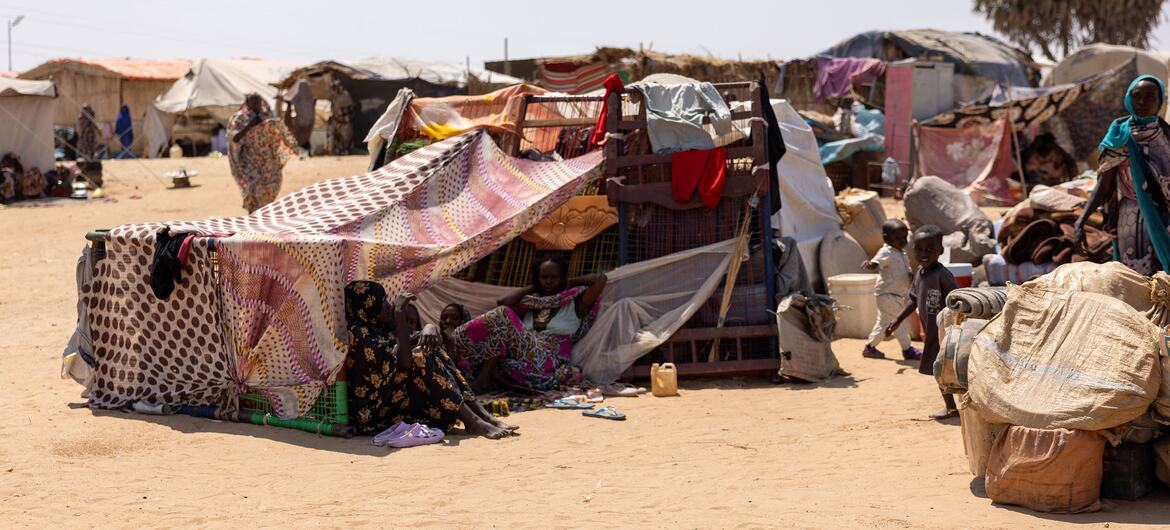
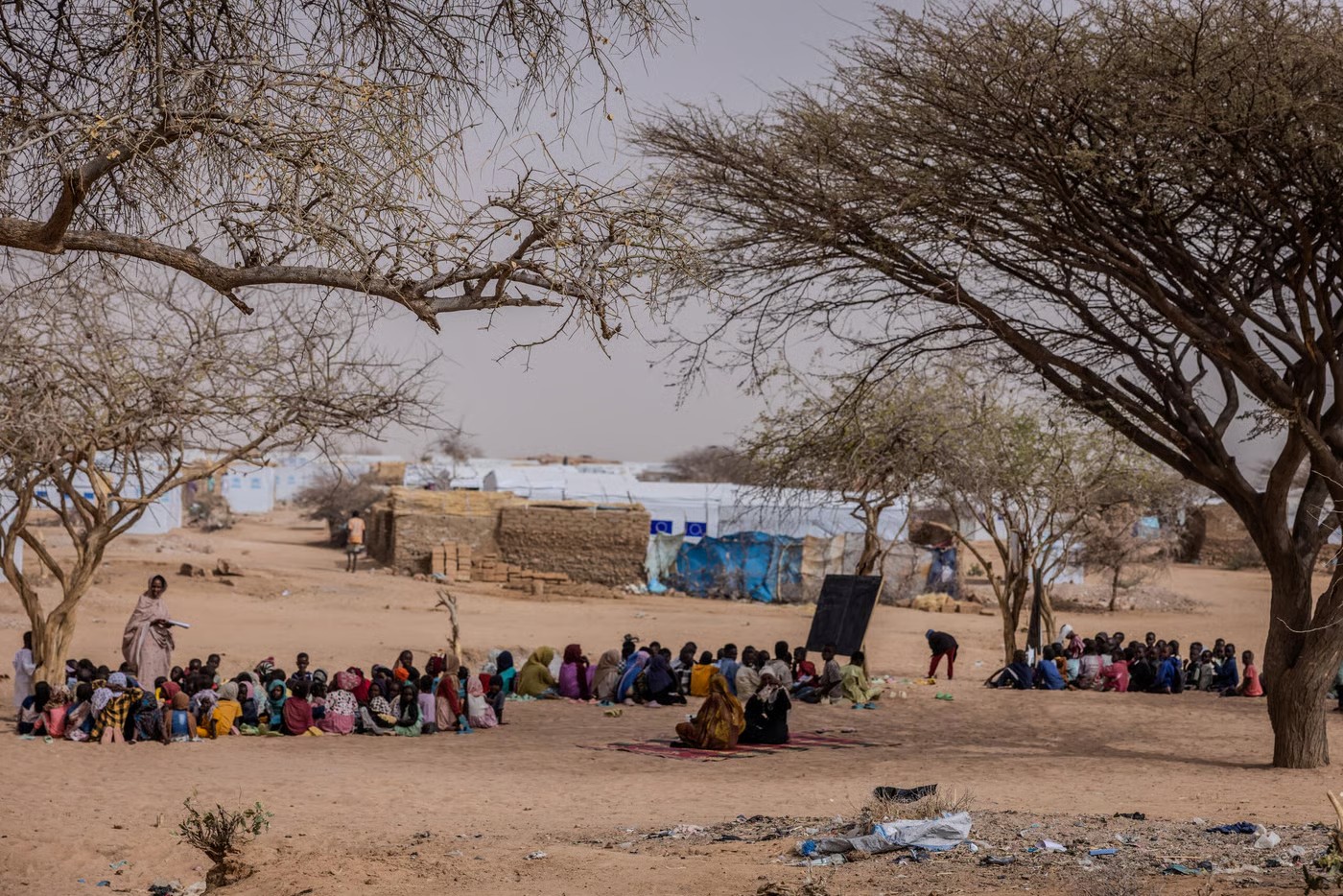
In Afmadow district, near Somalia’s border with Kenya, journalists witnessed thousands of newly displaced families have sought shelter in makeshift settlements after losing livestock and livelihoods due to prolonged drought and failed rains.
SJS notes that journalists are not only documenting the impacts of climate change; many are directly affected by the crisis themselves.
In Baidoa, Southwest State, where internally displaced persons constitute approximately two-thirds of the city’s population, many journalists supported by SJS come from displaced families or households affected by drought and food insecurity. Similar situations exist across Gedo and other parts of Jubaland.
In Beledweyne and Jowhar, Hirshabelle State, many journalists have experienced the direct consequences of repeated flooding, with family members displaced and livelihoods disrupted.
"in many parts of Somalia and somaliland, Women journalists face particular vulnerabilities, especially those serving as primary income earners for their households. The economic and social pressures created by climate-related disasters have disproportionately affected women media workers and their families,” — said SJS Secretary General, Abdalle Mumin.
Recognizing these realities, SJS has gone beyond providing professional training. In addition to mentoring environmental journalists, SJS has provided direct support and emergency assistance to journalists facing urgent humanitarian needs, enabling them to continue their important work while navigating the impacts of climate change on their own lives and communities.
On World Environment Day 2026, SJS reaffirms its commitment to promoting environmental journalism and supporting journalists reporting on climate change and humanitarian crises. SJS urges authorities in Somalia and Somaliland, in particular, to protect journalists, end harassment and arbitrary arrests, and ensure access to information that serves the public interest.
"Somali journalists play a vital role in exposing the impacts of climate change, but many are also among those affected by droughts, floods, displacement, and economic hardship. As both witnesses and survivors of the climate crisis, they deserve greater protection and support to continue their essential work,” — Mr. Mumin added.

- Popular
- Rated
- Commented


04/11/2021 - 11:05:02

28/05/2024 - 15:44:10


18/08/2025 - 17:22:07

01/03/2021 - 09:00:37



Opinions
14/07/2026 - 19:31:52
08/07/2026 - 17:36:21
08/07/2026 - 17:23:46
Politics
Terror Watch
06/04/2026 - 17:26:14
03/04/2026 - 20:41:52
Press Releases
12/07/2026 - 20:11:01


World Environment Day 2026: Somali journalists reporting the climate crisis while at the same time living through it
MOGADISHU, Somalia 5 June, 2026 – On World Environment Day 2026, the Somali Journalists Syndicate (SJS) calls on authorities in Somalia and Somaliland, as well as international partners, to support and protect environmental journalists and ensu