

Op-Ed: Using African schools to create sustainable communities
|
08 July 2026 17:36
 0
0 - Visits: 7908
-

- Share
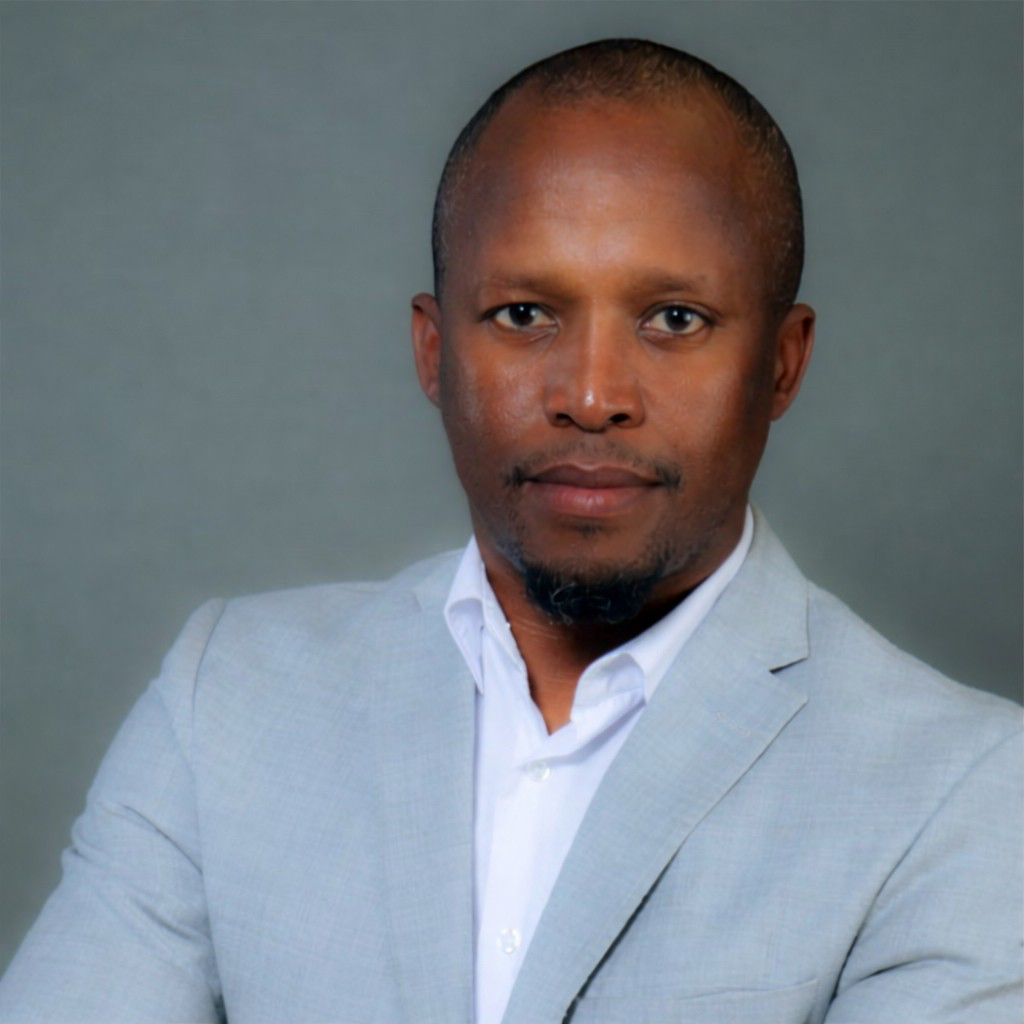

In many African countries, ambitious policies and strategies are being developed to support the transition to a circular economy. Yet despite growing awareness and investment, many interventions struggle to achieve sustained impact at community level. The starting point might just be via one of Africa's largest and most trusted forms of community infrastructure – schools.
It is Sustainable Seas Trust’s (SST) belief that the fundamental mistake many waste management and circular economy programmes make is to assume communities need new structures. In our experience, they don't. But they could certainly do with existing community systems being better connected, better supported and better coordinated.
At SST, our implementation experience through Operation Clean Spot (OCS) has revealed a simple but important lesson: policy can set the direction, but communities must own the journey. The question is not whether communities are willing to participate, but whether we are working through the institutions they already know and trust.
Too many circular economy initiatives begin by creating new structures instead of strengthening existing ones. Yet most communities already possess the institutions, relationships and local knowledge needed to drive change. The challenge is not building new systems; it is recognising and strengthening the ones that already exist.
If circular economy interventions are to scale across Africa, we need to stop treating schools simply as places for education and awareness and start recognising them for what they are: one of Africa's largest and most trusted forms of community infrastructure, bringing together governance, routine participation and the relationships that underpin lasting behaviour change.
This thinking underpins both Operation Clean Spot, SST's flagship systems intervention, and our Munch programme. Rather than creating parallel structures, both programmes seek to strengthen the systems communities already use.
Through Munch specifically, SST is embedding structured waste separation and recovery practices into school routines while linking schools, households, waste collectors and recycling value chains. The programme is demonstrating how schools can become practical hubs for community participation in the circular economy.
Our experience has highlighted an important reality: implementation is rarely linear. Schools differ significantly in terms of infrastructure, leadership capacity, schedules and local context. Approaches that succeed in one community may need adaptation in another. Effective implementation therefore depends on continuous engagement, feedback loops and a willingness to refine operational models in response to on-the-ground realities. Strategy may define what success looks like, but implementation determines whether that strategy survives contact with reality.
One of the biggest misconceptions in development is that scaling comes from replication. Our experience suggests the opposite. Scaling comes from applying the same design principles consistently while allowing implementation to adapt to local context. The principles remain constant; the delivery model must remain flexible.
A further insight is that school-based interventions cannot succeed in isolation from existing community systems. Across much of Africa, waste recovery already takes place through informal networks of waste pickers, aggregators and micro-enterprises. These actors are often overlooked in formal planning, yet they remain central to how materials move through local economies.
Our experience shows that successful circular economy interventions do not replace informal recovery systems; they include, recognise, and support them. Schools become powerful because they connect households, learners and already established aggregation and collection networks rather than attempting to create parallel value chains.
This is why schools are so powerful. They are not simply places where environmental education happens; they are trusted institutions capable of translating policy ambition into everyday action. By embedding new behaviours into daily routines and connecting communities with local waste collection and management systems, schools become a bridge between national policy and local ownership.
Our experience through Operation Clean Spot and the Munch programme suggests that lasting systems change begins by recognising, strengthening and coordinating the systems communities already own. Africa does not need to build entirely new community infrastructure to achieve systems change. It simply needs to recognise, strengthen and better connect the infrastructure it already has.
[Written by.]
Lebogang Tlomatsane is the Research, Development and Monitoring Manager at Sustainable Seas Trust (SST). SST is a science-based organisation working to protect Africa’s seas and communities for the benefit of all who live on the continent.

- Popular
- Rated
- Commented


04/11/2021 - 11:05:02

28/05/2024 - 15:44:10


18/08/2025 - 17:22:07

01/03/2021 - 09:00:37



Opinions
16/09/2026 - 16:11:57


15/09/2026 - 16:56:43
Politics
06/10/2026 - 18:48:48
06/10/2026 - 15:14:30

02/10/2026 - 17:35:54
Terror Watch
06/10/2026 - 21:41:19

06/10/2026 - 21:03:29
29/09/2026 - 14:38:38
Press Releases

05/10/2026 - 19:10:20
30/09/2026 - 22:54:31
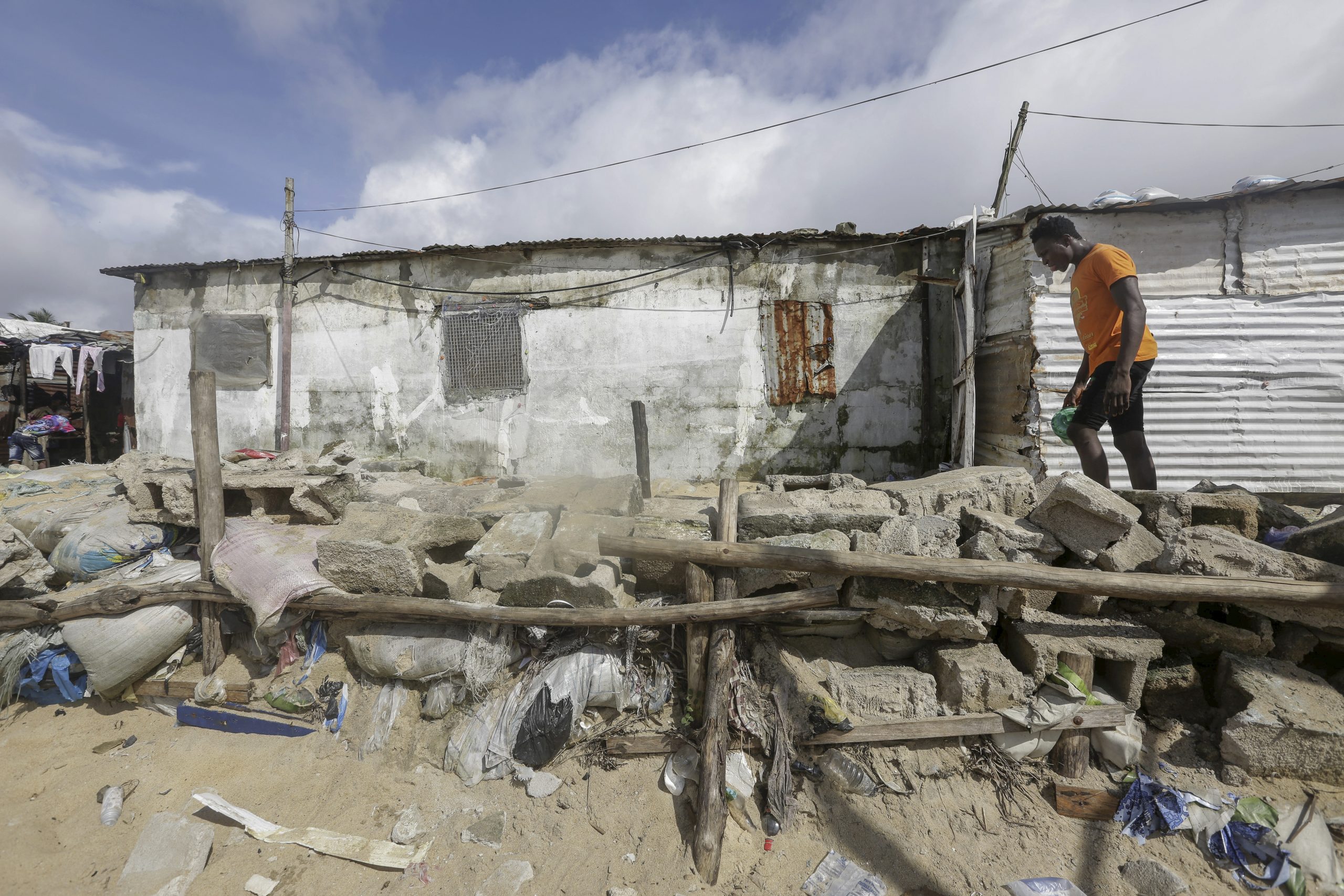




Op-Ed: Using African schools to create sustainable communities
In many African countries, ambitious policies and strategies are being developed to support the transition to a circular economy. Yet despite growing awareness and investment, many interventions struggle to achieve sustained impact at community level