

Somalia's New Speaker Got His Parliamentary Seat Through a Military Operation. His Career Was Built by Turkey.
 0
0 - Visits: 7941
-

- Share
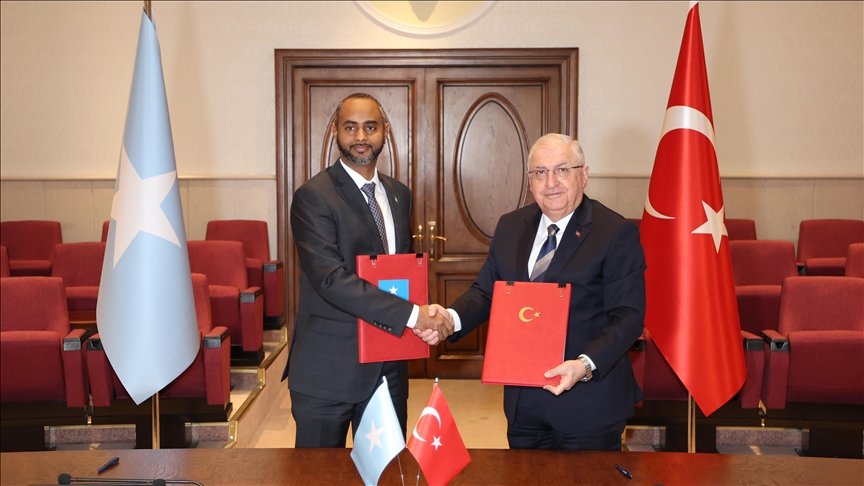

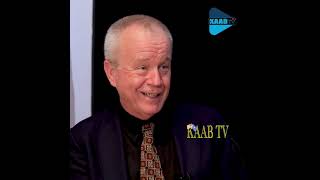
That minister was Abdulkadir Mohamed Nur Jaamac — known in Somali political circles as Madaxa Na Furan. On 11 August 2026, he was confirmed as Speaker of Somalia’s House of the People, winning 142 votes against his opponent’s 30 in a vote that lawmakers from Puntland and Jubaland boycotted as illegitimate. The story of how he arrived at the Speaker’s chair — and what it means for the parliament he now leads — has not yet been told in full.
The Seat That Was Not Contested
Jaamac had tried to enter parliament before. During the 2021–2022 parliamentary election cycle, he was Hassan Sheikh Mohamud’s preferred candidate in Southwest State. Laftagareen blocked him — the delegate pools under his political influence were not available to a Mogadishu appointee. Jaamac became Minister of Ports and Maritime Transport instead.
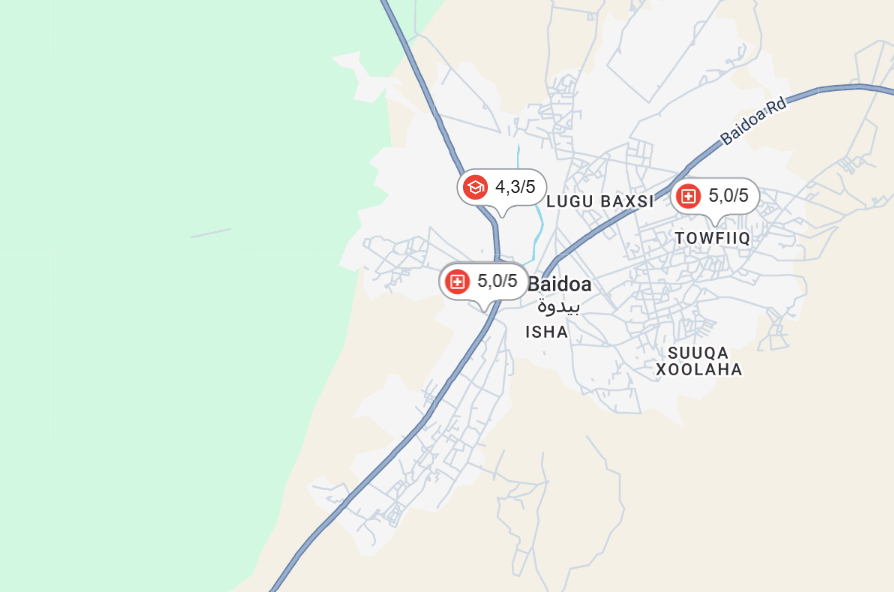
When federal troops removed Laftagareen in March 2026, his parliamentary allies lost the protection his administration had provided. The MP who held the seat that Jaamac now occupies had close ties to the ousted regional president. Within ten days of Laftagareen’s departure, that seat had been reassigned. WardheerNews reported that Jaamac "recently secured a parliamentary seat without competition or proper procedures.” Garowe Online reported that opposition figures accused him of "taking the seat from the previous lawmaker through force and outside the legal process.”
This is not the first time Baidoa has been used this way. In December 2018, President Farmaajo needed Southwest State’s parliamentary delegation loyal to him. The sitting regional president, Sharif Hassan Sheikh Aden, was paid approximately two million US dollars to resign, according to sources with direct knowledge of the negotiations. His most popular potential successor, Mukhtar Robow, was then arrested by Ethiopian AMISOM troops three days before the election. Security forces fired live rounds into crowds of protesters. At least fifteen people were killed — including a child and a member of parliament. More than 300 people were arrested. The UN Special Envoy Nicholas Haysom demanded accountability. Farmaajo expelled him from the country on 1 January 2019. UN Secretary-General António Guterres called Farmaajo twice to reverse the decision. Farmaajo refused. Laftagareen was elected six days after the killings.
In 2026, Hassan Sheikh used the same city, the same logic, and the same instrument — military force — to produce the same result. The method evolved from financial inducement to armoured vehicles. The institutional outcome was identical: a Southwest State parliamentary delegation realigned to federal presidential interests.
The Turkey Connection
What distinguishes the Speaker’s story from a standard account of Somali political manoeuvring is the foreign dimension that has received no attention in coverage of the race.
Jaamac received his education in Ankara on a scholarship from the Turkish government. He lived in Turkey for eight years and graduated from Ankara University’s Faculty of Political Science. He served as Second Secretary at Somalia’s embassy in Ankara from 2009 to 2012, then as First Secretary from 2012 to 2016. He is fluent in Turkish. When he was appointed Justice Minister, his first official foreign visit was to Turkey. He told Anadolu Agency on the record that Turkey is his "second home.” Turkey’s state broadcaster TRT Afrika has presented him as the most emblematic product of Turkey’s scholarship program in Somalia.
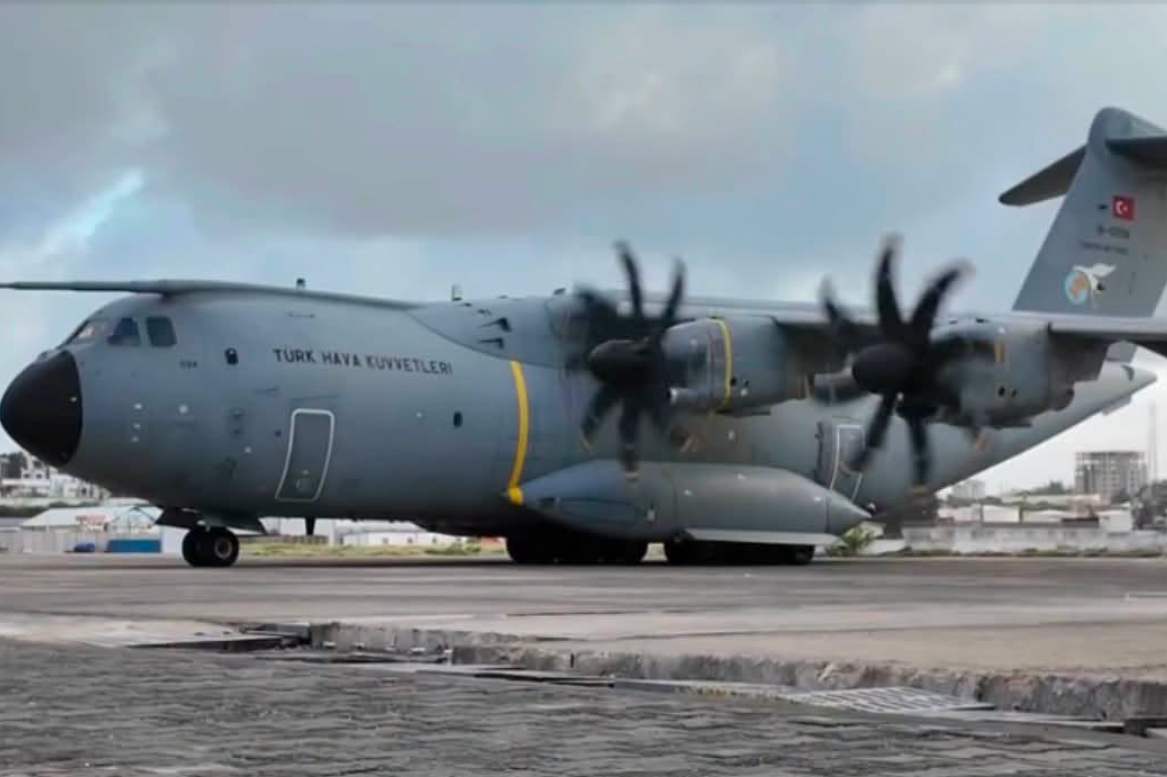
As Defense Minister, he personally signed the Defense and Economic Cooperation Framework Agreement with Turkish Defense Minister Yaşar Güler in Ankara in February 2024 — the most significant military cooperation agreement between the two countries. In April 2026, he accompanied President Hassan Sheikh Mohamud to the Antalya Diplomacy Forum, where the Somali delegation met with President Erdogan. The troops who entered Baidoa on 30 March 2026 and cleared his path to parliament included Turkish-trained elite units.
What the Speakership Controls
The Speaker of the House of the People controls which legislation reaches the floor, which committees review which agreements, and which international frameworks receive parliamentary approval. Every Turkish port deal, security agreement, and military contract that the federal government enters into with Ankara must pass through the parliamentary oversight that the Speaker now leads.
Somalia’s naval basing agreement with Turkey — one of the most consequential foreign arrangements in the Horn of Africa — was signed without adequate parliamentary scrutiny. Future agreements of the same kind will now be reviewed by a Speaker who received a Turkish government scholarship, served seven years as Somalia’s diplomat in Ankara, signed Somalia’s most significant military agreement with Turkey, and publicly describes Turkey as his second home. Axadle had already noted before the race concluded that "Somalia’s agreements with Turkey on security, economic matters and resources require independent parliamentary scrutiny” and that the contest had raised "concerns about possible executive influence over the Federal Parliament.”
Abdulkadir Mohamed Nur Jaamac did not win his parliamentary seat. He received it as the direct consequence of a military operation. He received the Speakership with 142 votes in a contest that two of Somalia’s five federal member states refused to participate in. The formal procedures occurred. They were called democratic. Somalia’s parliament has not always been purchased with money. Sometimes it is purchased with armoured personnel carriers.
_________
ABOUT THE AUTHOR
Ismail Abukar is Co-founder and Chairperson of the Organization for Prisoners’ Rights (OPR), an independent civil society organization based in Mogadishu, Somalia. He has conducted primary field research in Somalia for seven years covering prisoners’ rights, enforced disappearances, press freedom, and electoral corruption. His investigations have been published by African Arguments and Horn Observer. He holds an MA in International Law and Human Rights from the University for Peace (UPEACE). ORCID: 0009-0003-1435-3691 | [email protected] | opr.org.so

- Popular
- Rated
- Commented


04/11/2021 - 11:05:02

28/05/2024 - 15:44:10


18/08/2025 - 17:22:07

01/03/2021 - 09:00:37



Opinions
16/09/2026 - 16:11:57
15/09/2026 - 16:56:43
Politics
22/09/2026 - 07:00:49
15/09/2026 - 20:46:55
Terror Watch
29/09/2026 - 14:38:38
28/09/2026 - 12:32:52
21/09/2026 - 15:38:29
Press Releases
30/09/2026 - 22:54:31


Somalia's New Speaker Got His Parliamentary Seat Through a Military Operation. His Career Was Built by Turkey.
MOGADISHU, Somalia (HORN OBSERVER) — On 30 March 2026, armoured personnel carriers rolled through the streets of Baidoa. By nightfall, Southwest State President Abdiaziz Laftagareen had fled and announced his resignation on Facebook. Federal tr