

Somalia: Journalists' Union Says, Authorities Restrict Press Access As Parliament Debates Constitutional overhaul
 0
0 - Visits: 2617
-

- Share
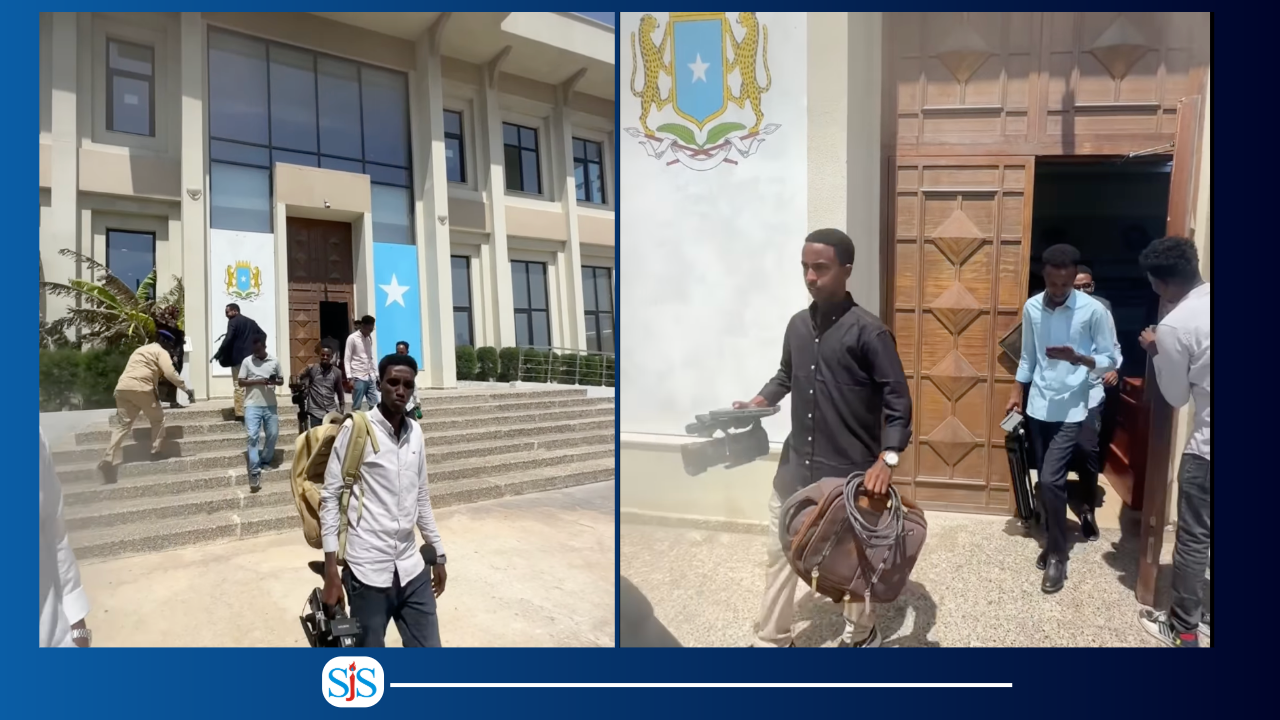

On 28 January, journalists covering a joint session of Somalia’s Federal Parliament were barred from entering the chamber as lawmakers prepared to begin debate. Reporters said they were stopped by police officers and members of the Presidential Guard stationed at the parliament gates.
On 2 February, five journalists working for Arlaadi Media, Somali Cable TV, Goobjoog TV, Mustaqbal Media, and Risaala Media Corporation were banned from accessing parliamentary sessions. Their media organisations were informed that the journalists were no longer permitted to cover parliament due to their publication of video footage showing a physical altercation among lawmakers during disorder inside the chamber on 28 January. Three of the journalists are women and two are men, and all remain barred from parliamentary coverage.
On 7 February, journalists and media crews attempting to cover another joint parliamentary session were again denied entry. The session was scheduled to debate controversial constitutional amendments, despite objections from opposition members of parliament, who had rejected the agenda. Journalists were later seen leaving the parliament compound after being refused access to the chamber.
The proposed constitutional changes have become a major point of political contention in Somalia, with critics arguing that the amendments could consolidate power within the executive branch ahead of the planned elections. Supporters of the reforms say they are necessary to streamline governance and advance the country’s state-building process.
Separately, Somali Journalists Syndicate (SJS) reported an incident involving Somalia’s National Intelligence and Security Agency (NISA) at Radio Risaala, a privately owned radio station in Mogadishu.
According to journalists at the station, an armed NISA officer blocked the entrance to Radio Risaala on 31 January, preventing reporters from entering the premises as they arrived for their morning shift. The station had recently been reporting on opposition meetings and unrest in parliament.
Radio Risaala said the officer confiscated two journalists’ mobile phones and remained seated at the station’s entrance until midday before leaving. NISA did not respond to requests from SJS for comment. The journalists’ group said Radio Risaala has previously faced pressure from NISA and officials from the Ministry of Information.
In a statement, SJS Secretary General Abdalle Mumin said journalists have a legal right to access parliamentary proceedings, particularly during debates of national importance.
Somali authorities have not publicly commented on the reported restrictions.
Somalia’s parliament reconvened Monday with sparse attendance, particularly from opposition MPs, amid sanctions, roadblocks and boycott campaigns. Pro-government lawmakers dominated the session ahead of planned talks on constitutional changes and the 2026 elections.

- Popular
- Rated
- Commented


04/11/2021 - 11:05:02

28/05/2024 - 15:44:10


18/08/2025 - 17:22:07

01/03/2021 - 09:00:37



Opinions
08/07/2026 - 17:36:21
08/07/2026 - 17:23:46
09/06/2026 - 17:11:47
Politics
Terror Watch
06/04/2026 - 17:26:14
03/04/2026 - 20:41:52
Press Releases
24/06/2026 - 23:17:08


Somalia: Journalists' Union Says, Authorities Restrict Press Access As Parliament Debates Constitutional overhaul
MOGADISHU, Somalia (Horn Observer) Somali journalists have been repeatedly denied access to parliament in recent weeks as lawmakers debate proposed constitutional amendments, raising concerns over media access and transparency during a politically s