

Somalia Faces Critical Drought Amid Funding Shortfalls
 0
0 - Visits: 6437
-

- Share
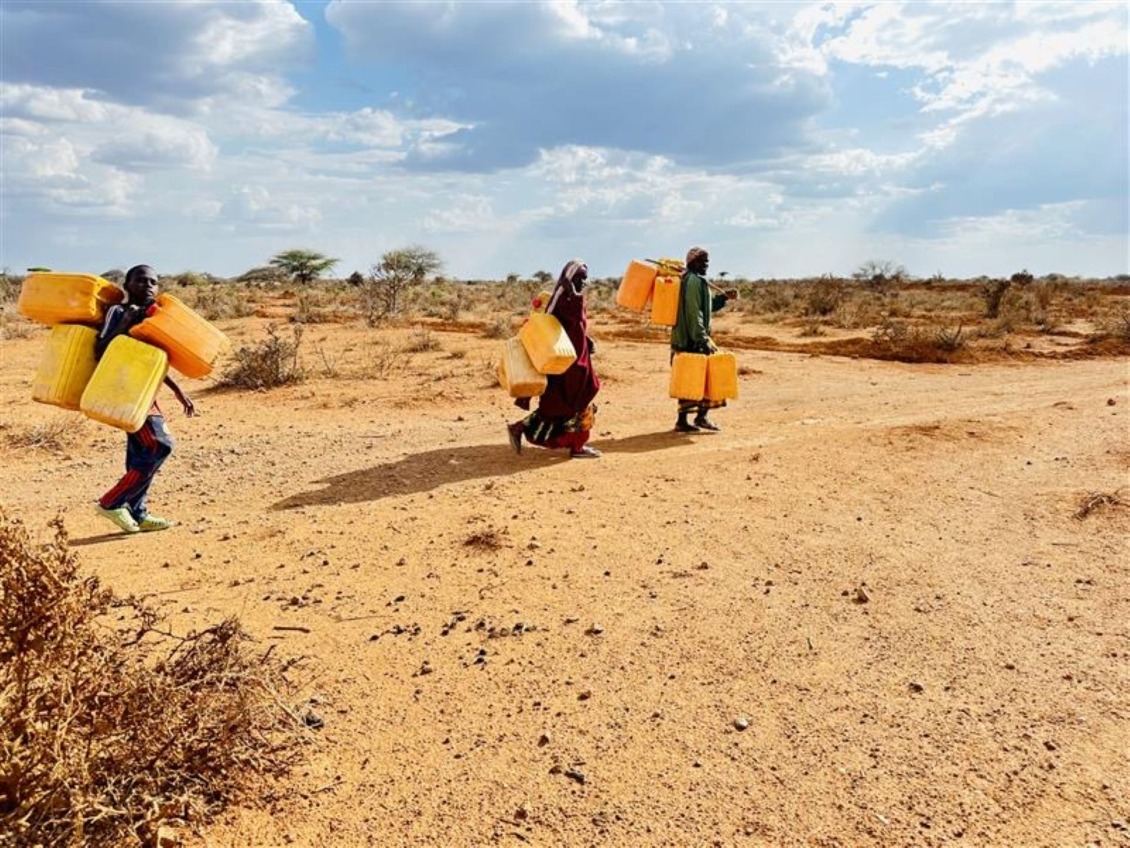

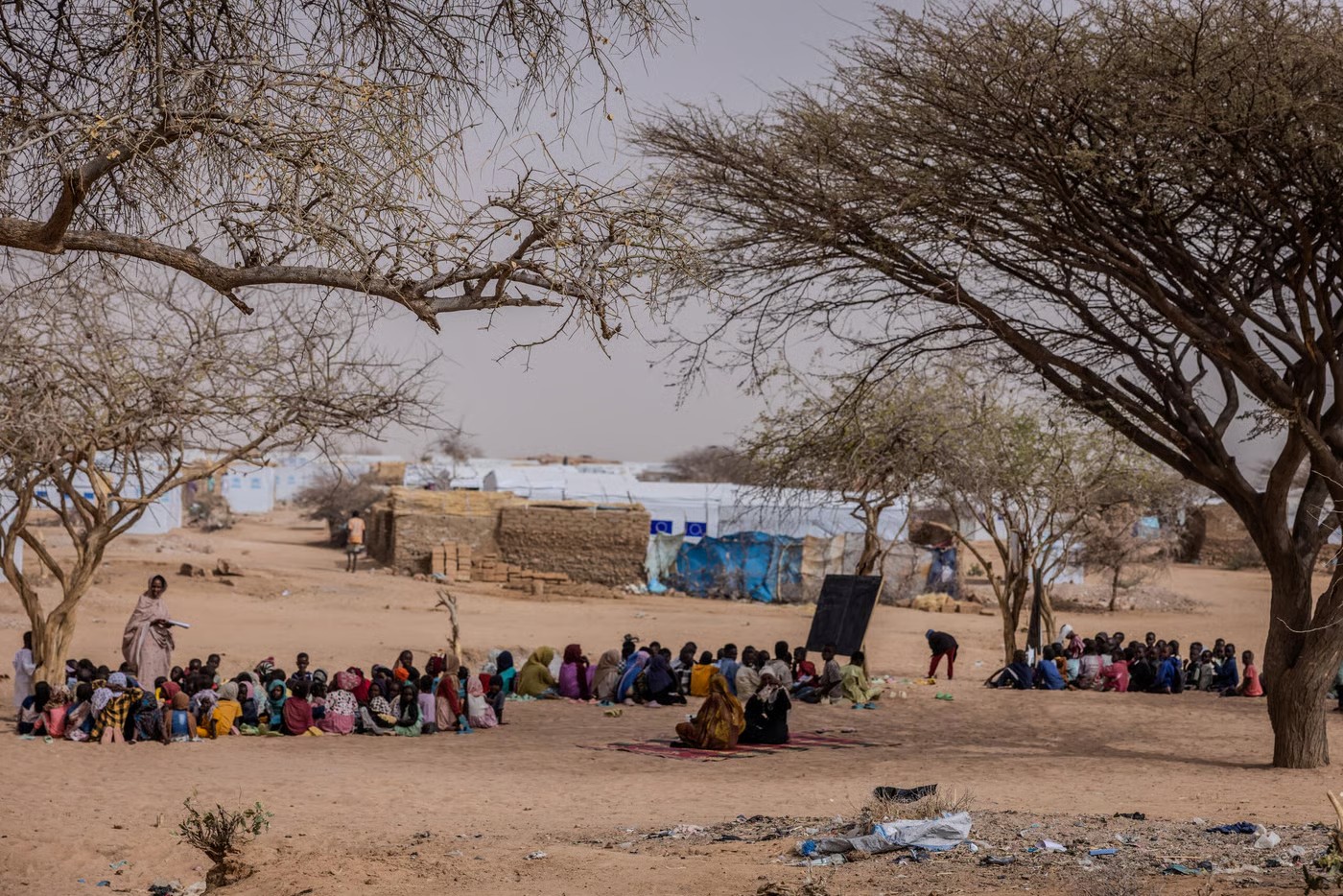
Somali authorities estimate that 4.61 million people are affected by the drought, including more than 490,000 displaced from their homes in search of water, food and pasture. At least 171 boreholes are non-functional nationwide, while hundreds of schools have closed as families migrate or can no longer meet basic needs.
The crisis is particularly acute along sections of the Shabelle River, where falling water levels have disrupted farming and livestock production. In Jowhar District alone, more than 65 villages have been affected as communities that once relied on the river turn to shallow wells that are rapidly drying up and boreholes operating beyond capacity.
Humanitarian agencies are providing emergency food assistance, cash transfers, water trucking, healthcare, shelter and nutrition services. However, aid officials say funding shortfalls are constraining the scale of the response at a critical time.
"The needs are rising faster than available resources,” one humanitarian worker in Mogadishu said, warning that prolonged shortages could significantly worsen food insecurity and displacement in the coming months.
Government Steps Up Response
President Hassan Sheikh Mohamud visited the National Emergency Operations Center of the Somali Disaster Management Agency this week to review response efforts and assess the humanitarian situation.
Officials briefed him on the hardest-hit regions, escalating displacement, environmental degradation and reported loss of lives. Authorities warned that conditions have reached a critical level and could deteriorate further without scaled-up intervention.
In response, President Mohamud directed national financial institutions to exempt all drought-response aid, humanitarian donations and related services from taxation. The measure is intended to speed up the delivery of life-saving assistance and remove administrative barriers that could delay relief operations.
Appeals at Home and Abroad
Speaking at a public gathering in London, Somalia’s Deputy Minister of Information, Abdirahman Yusuf Al-Adaala, described the human toll of the crisis in stark terms.
"Many Somalis are dying from hunger and lack of water,” he said. "If we fail to act, we risk losing more of our brothers and sisters. The drought crisis is a national emergency that must be addressed.”
He urged Somalis at home and in the diaspora to contribute through donations and community-led initiatives to support affected families.
On the other hand, during her first official visit to Mogadishu, Jenny Chapman, the United Kingdom’s Minister of State for International Development and Africa at the Foreign, Commonwealth and Development Office,announced £6 million in additional humanitarian funding for drought-affected communities.
Aid agencies say such contributions are vital but warn that overall funding remains insufficient.
Funding Gaps Raise Concern
The 2026 Humanitarian Needs and Response Plan for Somalia requires US$852 million — a 40 percent reduction compared to 2025 requirements. The plan targets 2.4 million people, less than half of those estimated to be in need, leaving significant gaps in food assistance, water access, healthcare, nutrition services and protection support, according to
Humanitarian officials say constrained funding forces agencies to prioritize only the most vulnerable populations, meaning millions may receive little or no assistance if additional resources are not secured.
Climate Shocks
Somalia’s vulnerability to drought is compounded by limited water storage infrastructure and recurring climate shocks. In regions such as Hiran and Mudug, local officials report nearly a year without meaningful cultivation due to sparse rainfall and declining river flow.
At a food security conference in Istanbul, Somalia’s agriculture minister, Mohamed Abdi Hayir Maareeye, called for stronger international cooperation to address recurring drought cycles and declining crop yields, reaffirming the country’s commitment to implementing United Nations General Assembly Resolution A/RES/74/209 aimed at reducing food and water loss.
Humanitarian observers warn that the coming months will be decisive. Without expanded funding, improved water infrastructure and sustained international engagement, localized shortages could evolve into a broader food security emergency.
As drought tightens its grip, Somalia faces a narrowing window to prevent a deeper humanitarian catastrophe.

- Popular
- Rated
- Commented


04/11/2021 - 11:05:02


28/05/2024 - 15:44:10


18/08/2025 - 17:22:07

01/03/2021 - 09:00:37



Opinions

08/07/2026 - 17:36:21
08/07/2026 - 17:23:46

09/06/2026 - 17:11:47
Politics
Terror Watch
06/04/2026 - 17:26:14
03/04/2026 - 20:41:52
Press Releases
12/07/2026 - 20:11:01




Somalia Faces Critical Drought Amid Funding Shortfalls
Mogadishu, Somalia (Horn Observer) - A worsening drought across Somalia has left millions struggling with severe water shortages, crop failures, livestock losses and mounting displacement, raising fears that parts of the country could slide toward fa