

UNICEF: Nearly 6 in 10 women and adolescent girls surveyed in Ebola-hit Ituri report increase in violence and abuse
 0
- Visits: 109
-

- Share
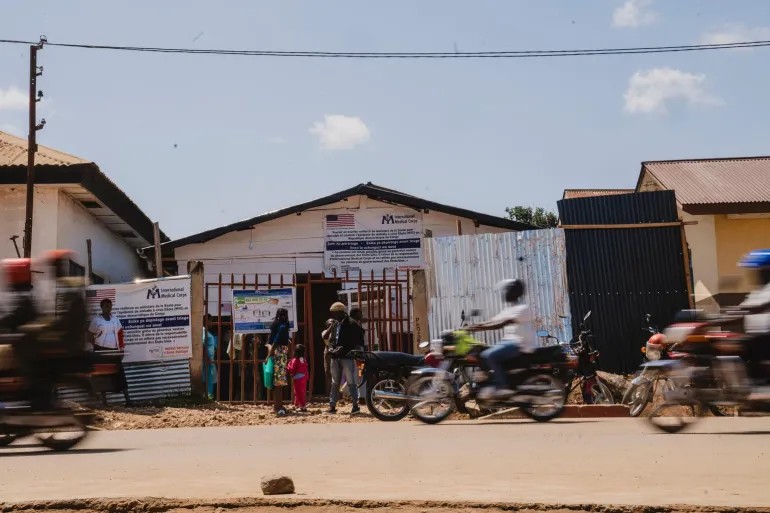

KINSHASA/BUNIA/NEW YORK, 24 November 2026 – Nearly 6 in 10 women and adolescent girls aged 15 and above surveyed in Ituri in the Democratic Republic of the Congo (DRC) reported an increase or emergence of violence and abuse in their lives since the Ebola outbreak began.
Drawn from the first ever real-time surveillance of violence against women and girls during an infectious disease outbreak – led by UNICEF with the women-led organization SOFEPADI and Washington University in St. Louis – the findings point to how the outbreak is affecting women's and adolescent girls' safety at home and in their communities.
"Women and girls are facing a growing threat of violence and abuse on top of a deadly disease outbreak and continued conflict in eastern DRC,” said UNICEF Executive Director Catherine Russell. "Too often, in the most impacted areas, there are no protective spaces outside the home that they can safely access.”
Based on 1,062 interviews with women and adolescent girls between 28 August and 15 October, the findings point to an increase or emergence of at least one form of violence and abuse. More than a third of those surveyed reported growing control over where they could go, their money, and their phones, as well as emotional and psychological abuse. Physical and sexual violence were also reported.
According to the findings, 7 in 10 respondents state they live in households that have experienced at least one public health response measure, such as isolation, quarantine, or contact tracing. Of those that also reported an increase in violence and abuse, 9 in 10 named stress and fear brought on by the outbreak as contributing factors.
Almost half of the women and adolescent girls who tried to access care and support services could not. Frontline workers reported that some women and girls are limiting their own movements to avoid infection, while others are being kept close to home by family members or others. Some of the centres and services they once relied on have closed or been repurposed. Respondents also cited shame, fear of the perpetrator, and lack of trust.
Where safe spaces for women and girls affected by, or at risk of, violence remain open and accessible, demand for them is growing. For example, visits to eight safe spaces run by SOFEPADI in Ituri rose by 200 per cent, from 1,183 visits between January to March to 3,548 visits between July to September.
In a separate UNICEF poll of around 11,500 young people in Ituri through U-Report – UNICEF’s digital platform for youth to share their views on issues affecting them – nearly half of all respondents said they see greater risks of violence for women and girls since the outbreak began. Physical and sexual violence were the most commonly cited concerns.
Women and girls carry more of the outbreak’s risk. Caring for sick relatives, preparing loved ones for burial, and frequent trips to health facilities, including with ill children, raises their risk of infection. All of this comes on top of an already fragile situation, where years of conflict and displacement had left women and girls facing alarming levels of gender-based violence long before the outbreak began. Now, many report even more violence at home and in their communities.
Since the outbreak began, UNICEF and partners have assisted more than 3,300 survivors of gender-based violence in Ituri and North Kivu and provided mental health and psychosocial support to close to 175,000 people between June and October. But protecting children and women, including gender-based violence services, remains among the most underfunded parts of the response, with a funding gap of 76 per cent.
The results of the surveillance are being shared with Ebola response coordinators to inform decisions as UNICEF continues to call on government authorities, response partners, and donors to:
- Make the safety of women and girls a measure of an effective Ebola response. Work with local women’s organizations to spot rising risks early, act, and avoid putting women and girls at risk or preventing them from getting help.
- Keep services for women and girls open, accessible, and funded at scale throughout the outbreak, and establish new services in Ebola hotspots. As risks rise and demand for support grows, gender-based violence services, including safe spaces, must be able to meet it.
- Scale surveillance of violence into this current Ebola response and build it in future public health emergency preparedness and response. With women’s organizations formally part of surveillance, and safeguards for confidentiality and safety built in, monitoring must start as soon as an outbreak begins.
"There is no excuse for violence and abuse against women and girls,” said Russell. "Protection must be part of the Ebola response, and it must be informed by what women and girls tell us. That includes prioritizing prevention and services for survivors.”
Partner quotes
"Since the outbreak began, more and more women and girls are coming to our safe spaces, looking to be heard, protected, and supported, without fear or stigma. Safe spaces must stay open and be properly resourced throughout the response. Surveillance and support should be extended to other areas at risk," said Sandrine Lusamba, National Coordinator of SOFEPADI.
"When women explain why violence has started or worsened, many point to the fear and pressure this outbreak has brought into their homes. Those pressures can be anticipated. Keeping services open, establishing new services, and listening to women as the response unfolds can stop that pressure from turning into harm," said Dr. Lindsay Stark, Co-Director of the Center on Violence and Health at the Bursky School of Public Health, Washington University in St. Louis.
####
SOURCE: UNICEF

- Popular
- Rated
- Commented


04/11/2021 - 11:05:02


28/05/2024 - 15:44:10


18/08/2025 - 17:22:07

01/03/2021 - 09:00:37



Opinions

13/11/2026 - 18:05:57

13/10/2026 - 15:21:04
Politics
18/11/2026 - 12:40:58
29/10/2026 - 21:44:21

Terror Watch
24/11/2026 - 15:56:13

29/10/2026 - 18:42:36
Press Releases
13/11/2026 - 18:24:36




UNICEF: Nearly 6 in 10 women and adolescent girls surveyed in Ebola-hit Ituri report increase in violence and abuse
Findings show a worsening parallel crisis for women and girls, including emotional and psychological abuse, controlling behaviour, and physical and sexual violence